For the most part, scientific illustration is a comparatively conservative field. Perhaps the most basic definition of scientific illustration is “images created to help facilitate communication among scientists.”
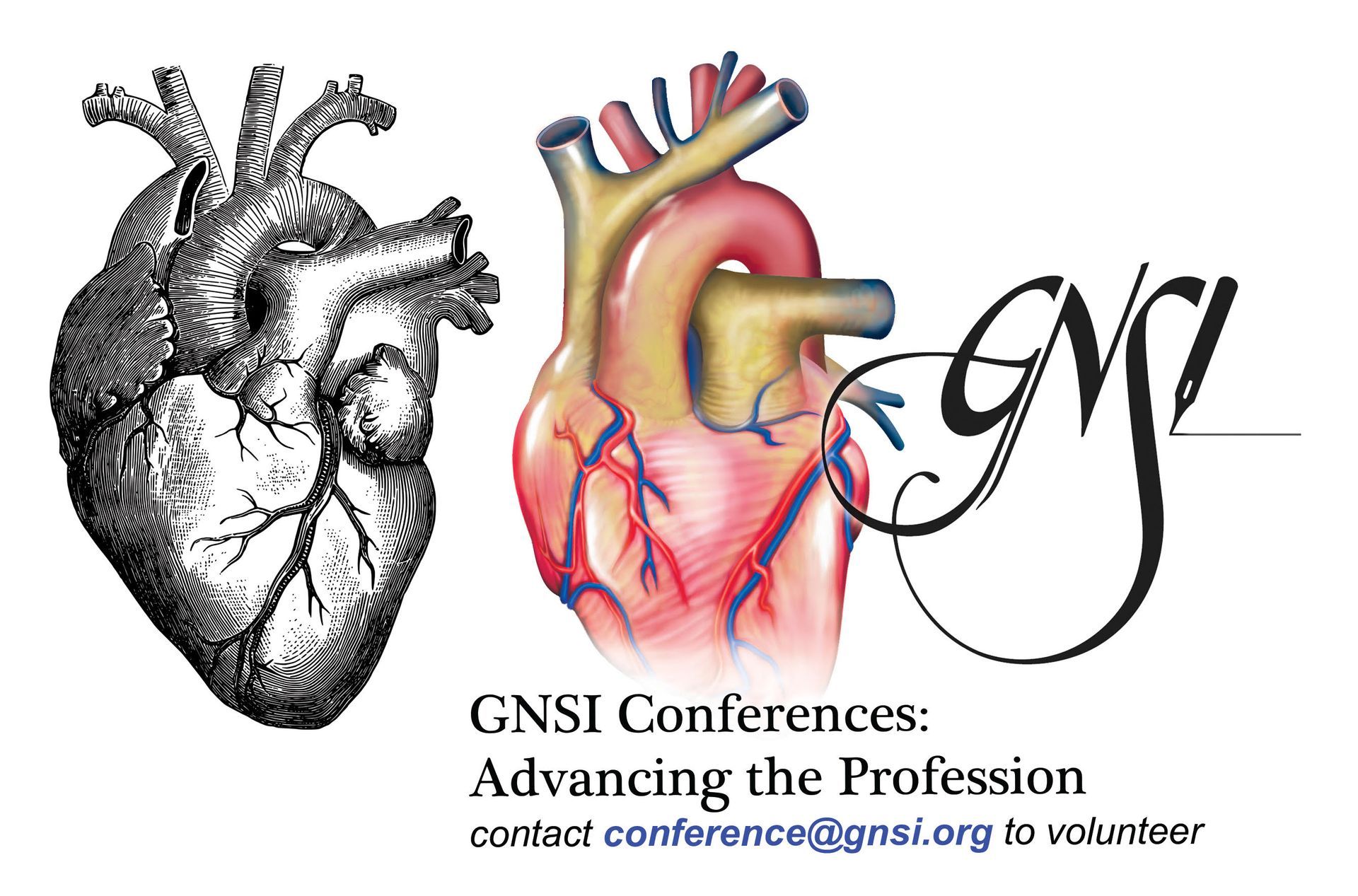
If this were the sole definition, then accuracy, clarity, and an understanding of what scientists need and want might be the only “givens” to consider. However, almost since “true” scientific illustration emerged during the Renaissance, it is not scientists alone who were the recipients of the information that can be conveyed by drawings of scientific subject matter. Today, audiences for scientific illustration include children, adult members of the general public and students of all ages and levels, as well as scientists (natural, physical and social).
Pen and ink, once the mainstay medium for scientific illustrators, is still popular among both scientists and the general public. But how “pen and ink” drawings are produced has changed. Have they been created using a traditional flexible pen nib and India ink, or are they the result of weighted lines produced by a software program such as Adobe Illustrator? Experienced illustrators can fool viewers into thinking that computer-generated drawings are actually the result of using materials that were prominent two hundred years ago. This is the point: despite the conservative nature of scientific illustration, the field continues to evolve as new technology is introduced, new ways of thinking about science are adopted and the definition of “imaging” changes…and this is where the Guild Conference comes in.
One of the goals of every Guild conference is to help members stay abreast of changes in the field. These changes include, but are not limited to the following:
- Changes in technology as they relate to both scientific research and the creation of illustrations and graphics.
- Changes in the nature of the scientific information that is communicated.
- Changes in the way images are prepared and distributed.
- Changes in how scientific research is conducted.
- Changes in tax laws and business practices as they relate to scientific illustrators.
- Advances in science.
Through keynote lectures, scheduled presentations, workshops and informal discussions, Guild members who attend annual meetings are provided with numerous opportunities to remain au courant in the exciting world of “art as applied to science.”
For these opportunities to happen, guild members all pitch in together to share what they have learned. First by deciding where to gather, and then what they have to share. The Conference Oversight Committee is very interested in suggestions on where we can meet in a space that will accommodate 150-250 people. We invite you to fill out (in part or in full) our scouting form if you have a cool location that would be able to host a conference.
SCOUTING FORM: https://docs.google.com/forms/d/1xbP17yWx9Q2z_zSjt2t6-udmbi6PpBydD98t_h32yRU/edit
If you have an idea for a workshop or presentation, or want to present one yourself, contact the conference committee directly with information: conference@gnsi.org
The GNSI’s Visual SciComm Conference event does not happen without the input of our talented members!
GNSI's Conferences keep your PULSE on your career!

Atrial-Fibrillation by Trevor Lehman, © 2021