GUILD OF NATURAL SCIENCE ILLUSTRATORS ANNUAL
Visual SciComm Conference
2026 GNSI VIRTUAL CONFERENCE
Workshops
Participate in optional workshops on July and August weekends following the conference! Workshops provide additional opportunities to learn new techniques and skills in a more interactive setting.
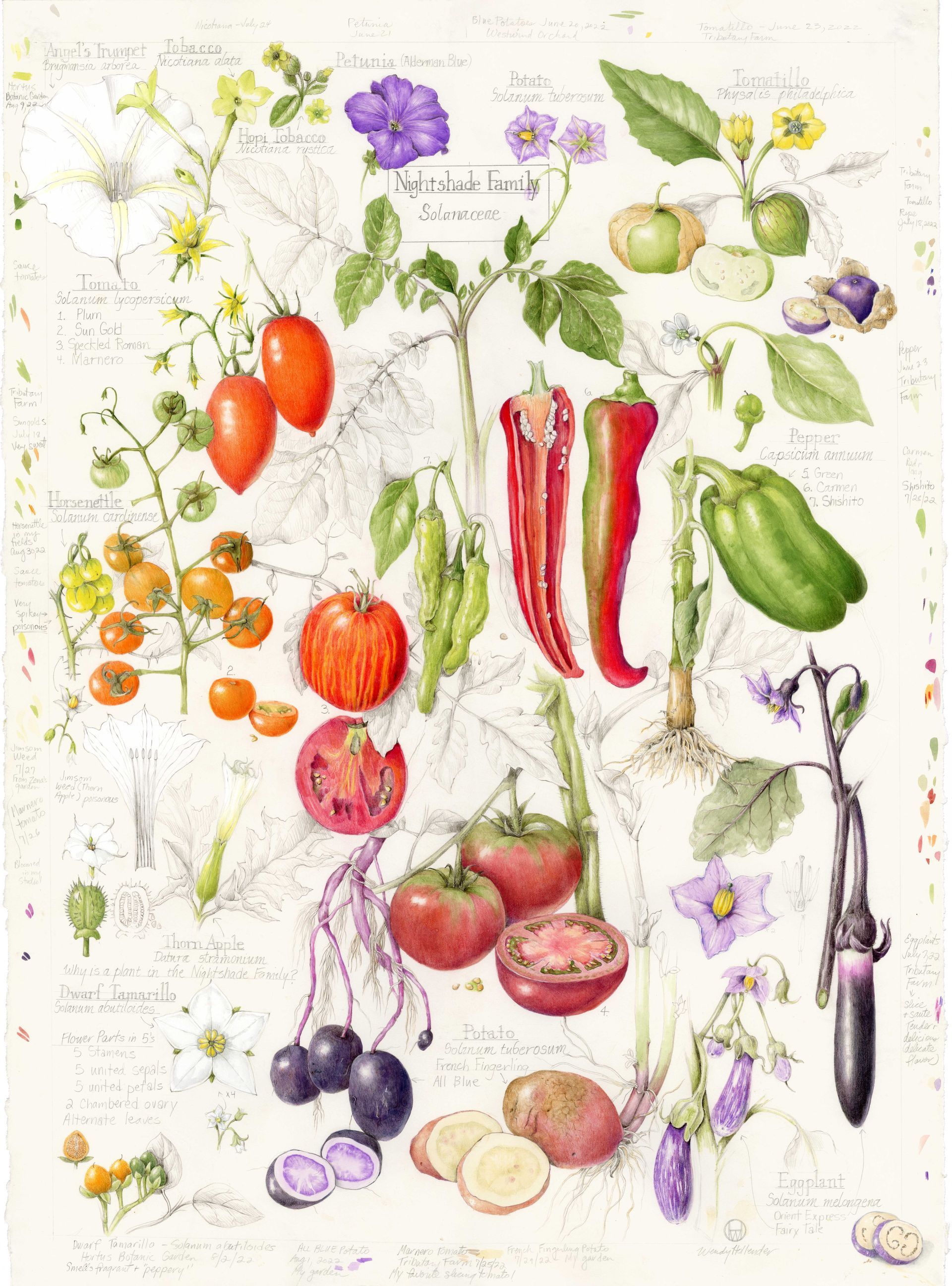
Creating a Detailed Botanical Painting with Colored Pencil & Watercolor in a Multi-Focal Point Composition
Wendy Hollender
Sunday July 26
11am - 2pm US ET
Adobe Illustrator for Beginners
Rick Simonson
Sat Aug 8 - Sun Aug 9
11am - 4pm US ET
Illustrating Fishes—History and Techniques
Karen Talbot
Sat Aug 15 - Sun Aug 16
11am - 4pm US ET
Introduction to 3D Digital Insect Modelling with AntScan
Eric Keller
Sat Aug 22 - Sun Aug 23
11am - 2pm US ET
Wendy Hollender
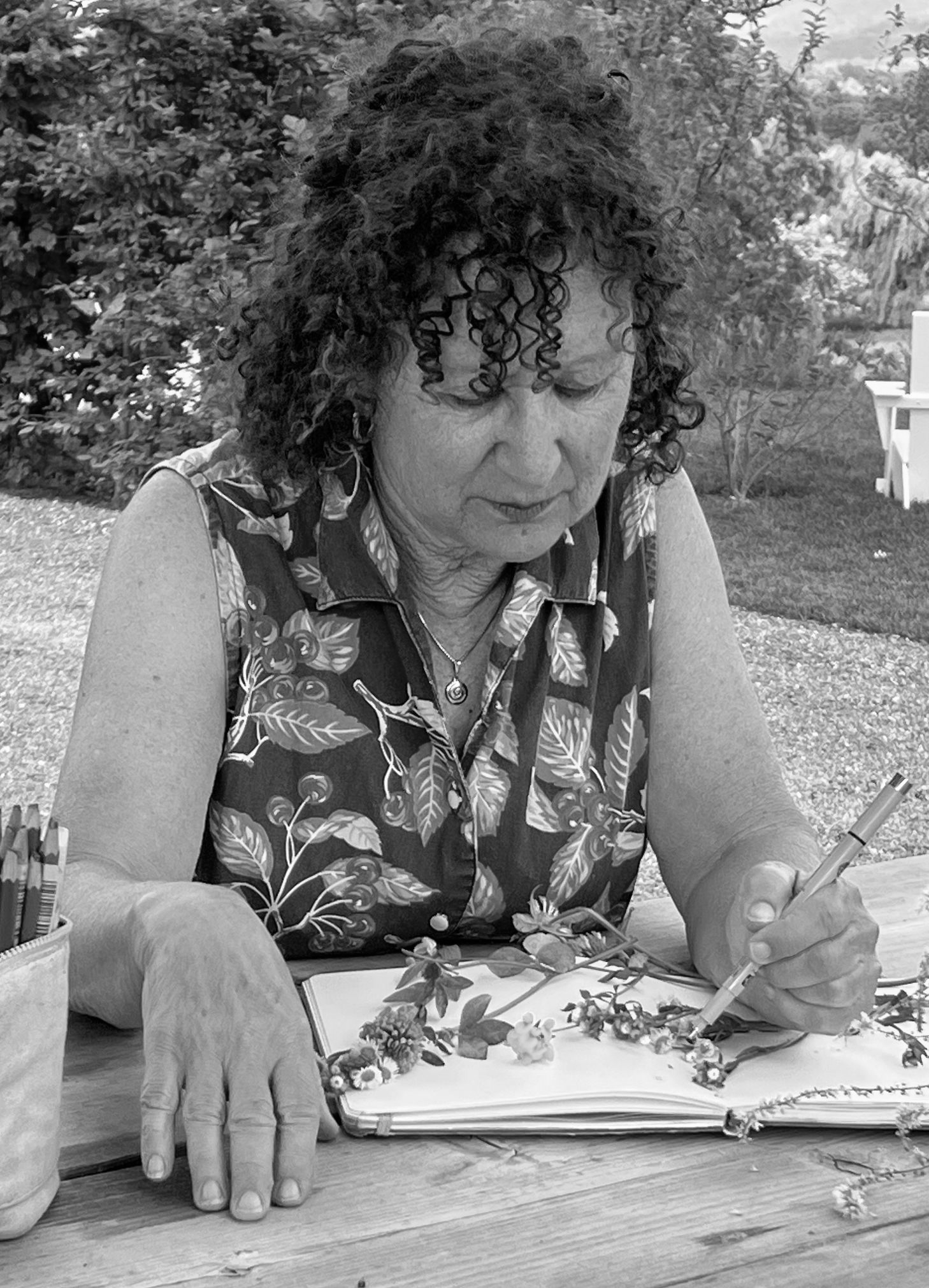
Wendy Hollender is a world-renowned botanical artist and author whose work has been exhibited at the Royal Botanic Gardens, Kew, the New York Botanical Garden, and the Smithsonian National Museum of Natural History, and published in the New York Times, O: The Oprah Magazine, and numerous other outlets.
A graduate of the Rhode Island School of Design, Hollender is the author of the best-selling books The Joy of Botanical Drawing and Botanical Drawing in Color, and teaches botanical drawing at the New York Botanical Garden and other beautiful venues around the world.
See more about Wendy at www.wendyhollender.com and her educational website www.drawbotanical.com.
Creating a Detailed Botanical Painting with Colored Pencil & Watercolor in a Multi-Focal Point Composition
SUNDAY JULY 26
11am - 2pm US ET
This workshop will be a detailed step-by-step guide of building a botanical painting, complete with a materials/tools list, and discussion of light source, research, and composition. Content will focus on the work behind creating the Plant Family paintings for Hollender's book: The Album of Plant Families.
Recommended experience level: All levels welcome
Workshop duration: 3 hours
Registration fee: $50
Materials List
Materials list:
1-2 botanical specimens (Anything—a seed pod, a flower, leaves, produce from the grocery store)
A knife/tool to cut open the specimen, if desired
Pencil sharpener (Recommended:
Desktop pencil sharpener from Muji or other portable pencil sharpener)
Pencil (Recommended: Tombow H graphite 4 pencil)
Eraser (Recommended: Kneaded eraser, Tombow Mono round Zero)
Small see thru Ruler for measuring (Recommended: Westcott See–thru ruler)
Colored pencils (Recommended: Faber-Castell Polychromos colored pencils—list below refers to Polychromos numbering system, but equivalents are fine.)
Primary and secondary colors:
- Cadmium Yellow Lemon 205
- Cadmium Yellow 107
- Pale Geranium Lake 121
- Middle Purple Pink 125
- Madder 142
- Ultramarine 120
- Cobalt Turquoise 153
- Dark Cadmium Orange 115
- Purple Violet 136
- Earth Green Yellowish 168
- Permanent Green Olive 167
- Earth Green 172
Darks to mix for deep shades:
- Dark Sepia 175
- Dark Indigo 157
- Chrome Oxide Green 278
- Red Violet 194
- Olive Green Yellowish 173
Lights for tints, highlights, and burnishing:
- Warm Grey IV 273
- White 101
- Ivory 103
- Salmon 130
- Earth Tones
- Burnt Ochre 187
- Venetian Red 190
- Light Yellow Ochre 183
- Burnt Sienna 283
Watercolor pencils or your preferred watercolors (Recommended: Faber-Castell Albrect Dürer watercolor pencils)
Brushes (Recommended: Interlon sizes 0/3, 0, 6, or similar, Pentel waterbrush)
Pens (Recommended: Pieni ballpoint pen, Micron size 05 or smaller)
Palette (Recommended: Sheet of Duralar film)
Embossing tools
Hot press watercolor paper (Recommended: Stonehenge Aqua hot pressed watercolor paper, any size, block or sheets of paper cut to a size between 7 x 10 inches, 12 x 16 inches, 15 x 20 inches)
Verithin pencils:
- Dark Brown
- Black
- Gray 70%
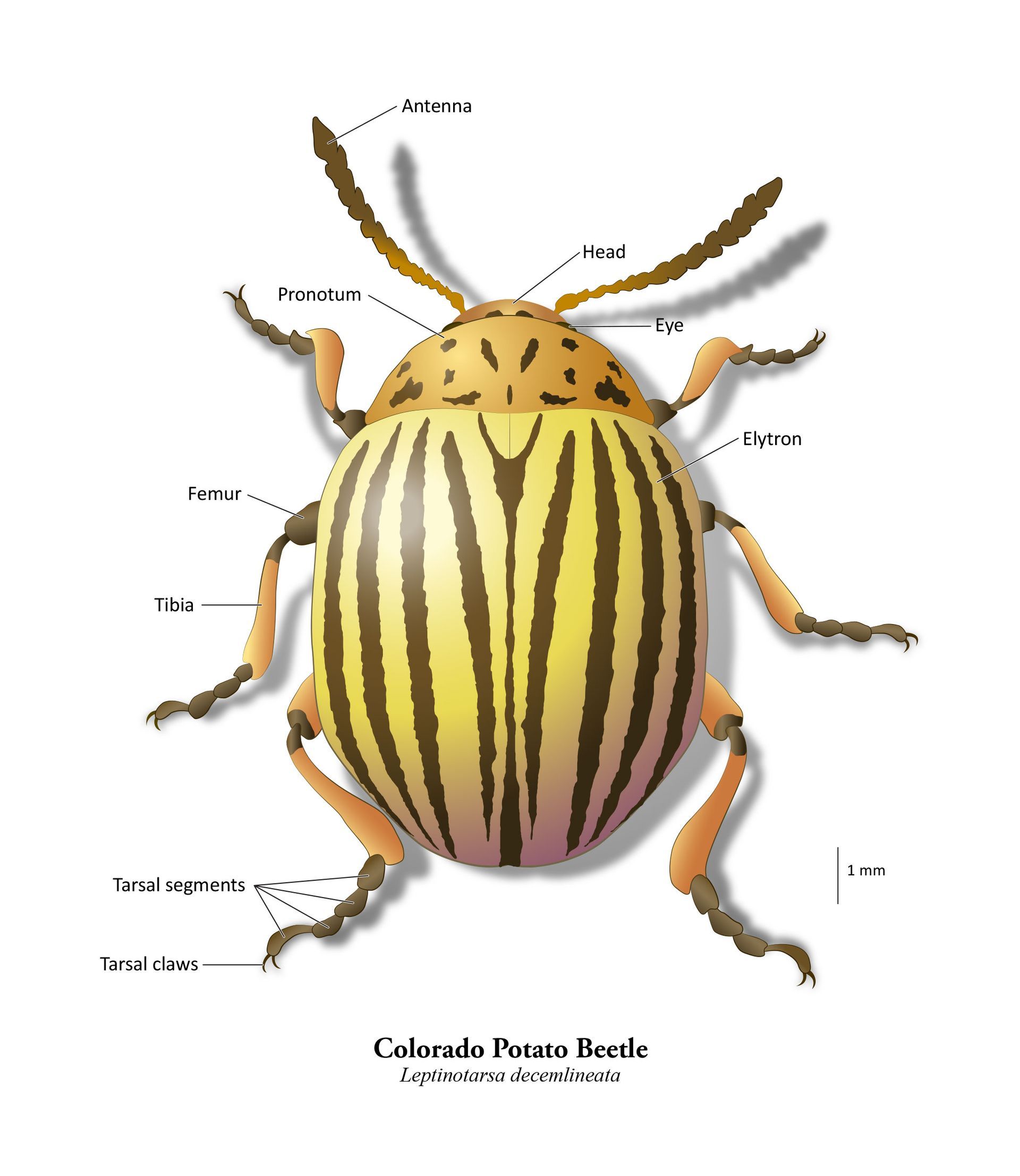
Adobe Illustrator for Beginners
SATURDAY AUGUST 8-SUNDAY AUGUST 9
11am - 4pm US ET each day
Break 1pm - 2pm
Learn how to use Adobe Illustrator, the industry standard vector graphics software. This program is an essential tool for the professional scientific illustrator. It is the ideal software for design projects, such as illustration layouts, creating infographics, designing logos, and adding titles, labels, and leader lines to illustrations. In this workshop you will learn how to use the important features of Illustrator and develop proficiency with vector graphics.
Recommended experience level: No prior experience through intermediate users
Workshop duration: 8 hours
Registration fee: $120
Materials List
Materials list:
Computer with webcam
Adobe Illustrator (Subscription required, but Adobe offers a 7-day free trial. Please download the software in advance and ensure your subscription or trial will be active on the day of the workshop.)
Graphics tablet (Recommended)
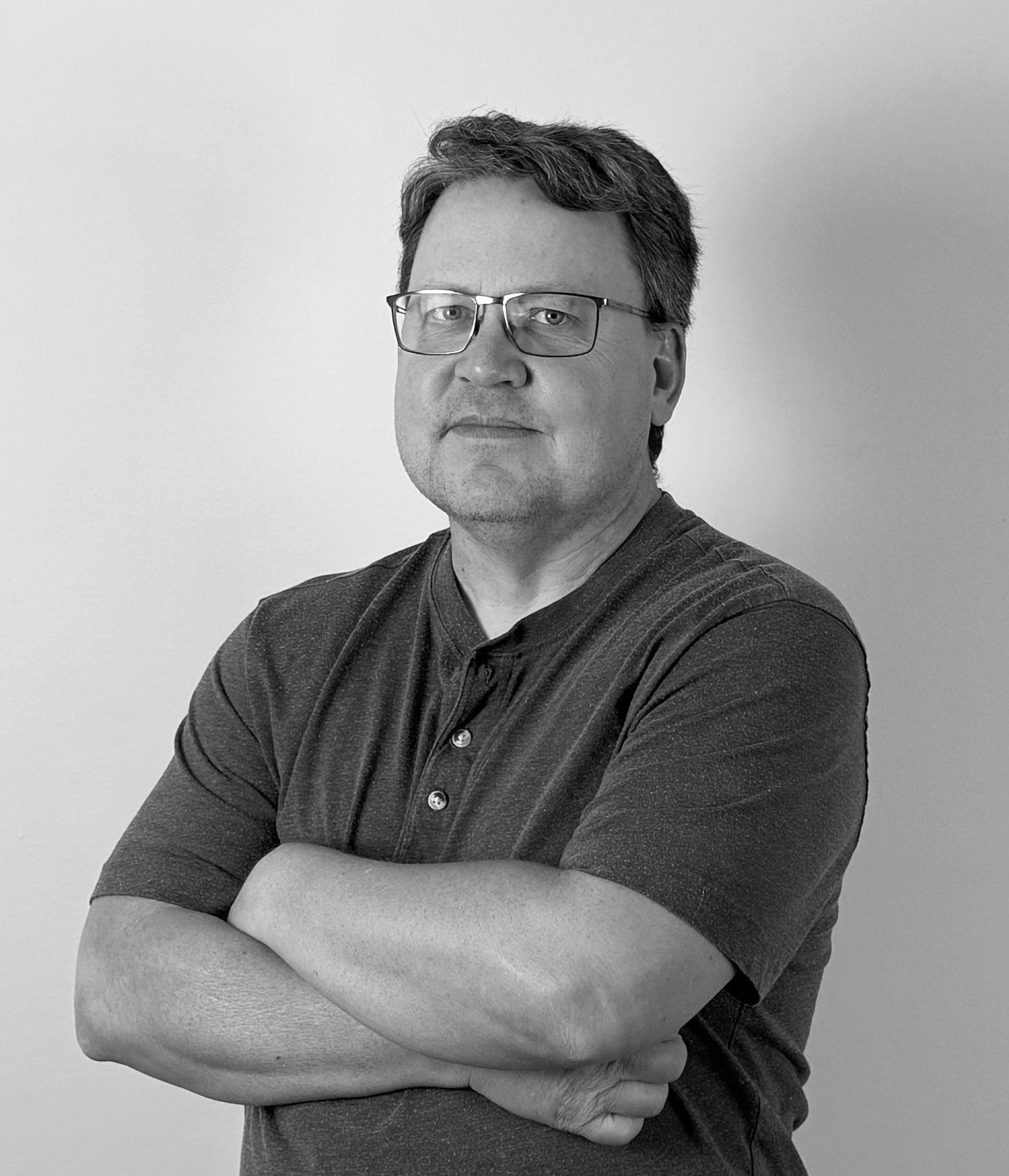
Rick Simonson
Rick Simonson is the Founder and President of Science Lab Studios, Inc. With 23 years of experience as a professional scientific illustrator, he specializes in finding creative solutions to visual problems within the scientific and technical industries.
Rick's work has been published in science magazines, research journals, textbooks, laboratory and technical manuals, and featured in gallery exhibits. Furthermore, he has over two decades of university teaching and research experience. He also manages an online learning community that provides training for aspiring and experienced scientific illustrators, as well as those interested in improving their nature artwork skills.
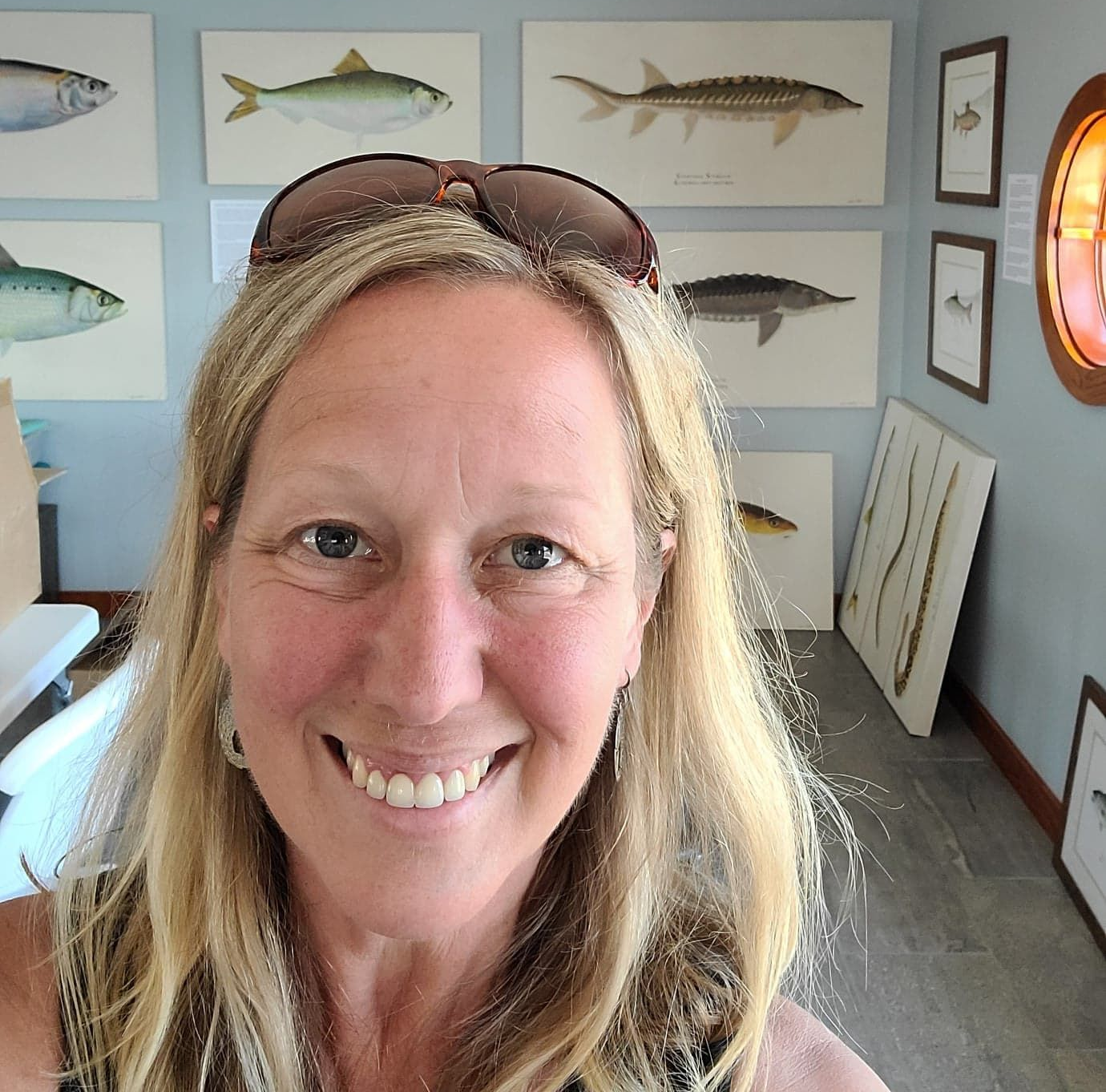
Karen Talbot
Karen Talbot is an award-winning scientific illustrator and conservation artist known primarily for her work with fish, birds, and botanicals. Living on the rocky coast of midcoast Maine, Karen takes her inspiration from oceans, streams, canyons, and mountains where she regularly dives, fishes, and climbs.
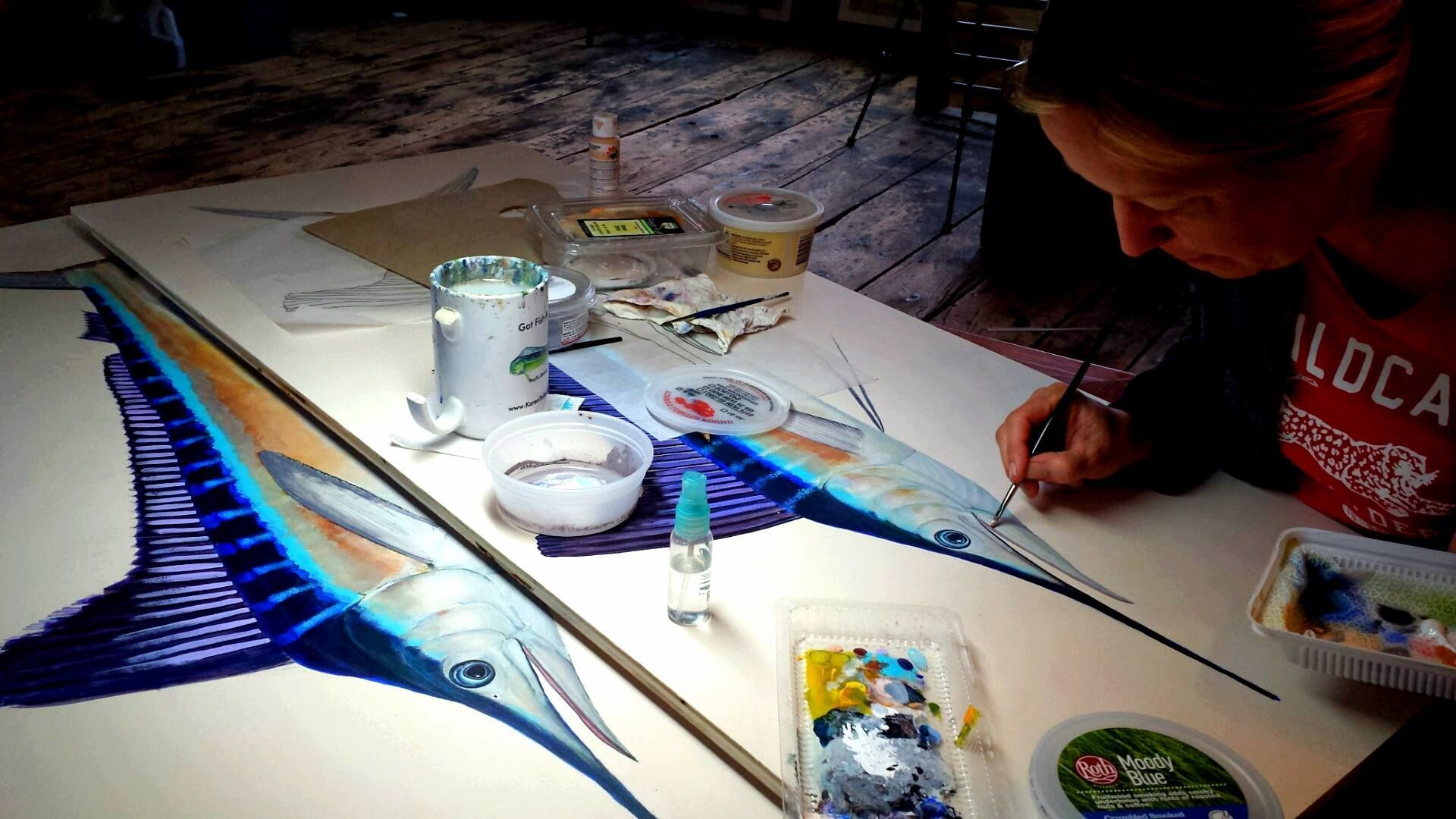
Illustrating Fishes—History and Techniques
SATURDAY AUGUST 15-SUNDAY AUGUST 16
11am - 4pm US ET each day
Break 1pm - 2pm
The hit workshop from 2025 Bridgewater returns virtually!
During this two-day workshop, students will be introduced to the history and practice of illustrating fish for scientific purposes from the 18th century to today. The day will begin with a presentation addressing the chronology of scientific illustration specific to fish, with an emphasis on why traditional illustration is still important. Students will then be introduced to the tools, procedures, and best practices for working with specimens in the studio space. The second half of the workshop will be dedicated to guided illustration in a variety of media working with fish specimens.
Participants will be introduced to the history, importance, and contemporary relevance of illustrating fish for scientific purposes. They will also gain the knowledge to both acquire and work with specimens in their own studio using best practices, tools and procedures.
Recommended experience level: No prior experience needed
Workshop duration: 8 hours
Registration fee: $120
Materials List
Materials list:
Water-based Colored Pencils: Any watercolor-colored pencil will work, ranging from something as simple as Crayola to a higher quality pencil like Caran d'Ache. A ten pencil set is sufficient (basic 12 color set minus black and white).
Watercolor paper or mixed media paper
Rulers
Brushes
Specimens: Please bring your own fish. A whole fish is best, but a gutted fish from the grocery store is fine as long as it has all the external anatomy intact (e.g. fins, tail, head). Ask your local fish monger or at your grocery store fish counter. Perch specimens (plain with no injection) can also be purchased from a place like Carolina Biological.
Dissection Trays and Materials: Purchase online from a place like Carolina Biological (or even Amazon), or purchase an inexpensive cake tray and melt paraffin wax in it in your oven. Alternatively, a piece of foam and some pins will work, as we are simply pinning the fish and not doing an actual dissection.
Pins
Tracing paper
Pencils
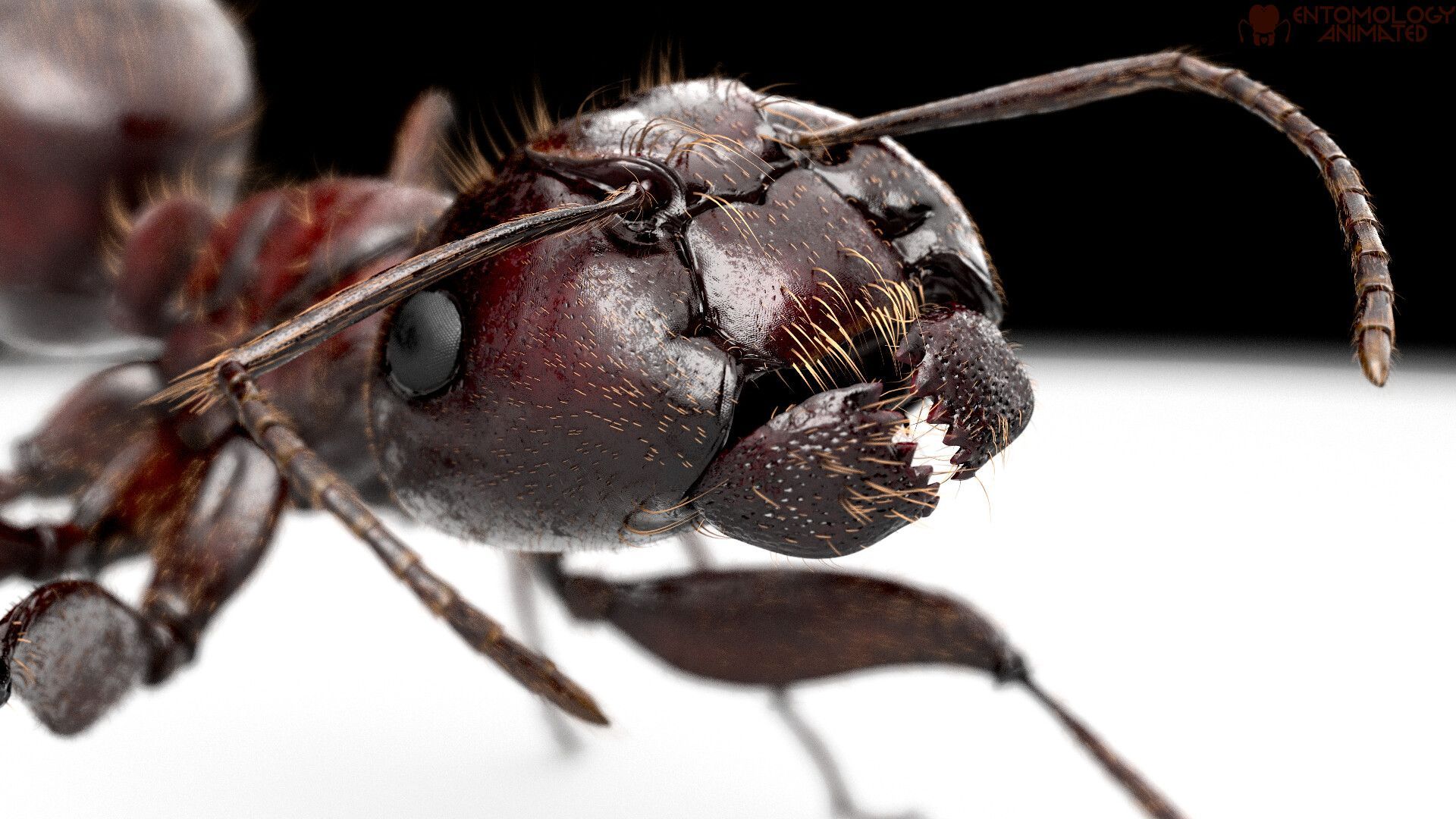
Introduction to 3D Digital Insect Modelling with AntScan
SATURDAY AUGUST 22-SUNDAY AUGUST 23
11am - 2pm US ET each day
This workshop is an overview of my techniques for creating realistic 3D insect models using freely available scan data from antscan.info. The process involves acquiring scan data from antscan.info and importing it into digital sculpting software. I will demonstrate my techniques using Maxon ZBrush as well as a parallel workflow using Blender.
Right now is the perfect time to dive into the world of digital insect modelling! There are so many sources for high quality scan data and the technology improves every day. 3D digital modelling is a great way to explore and promote biodiversity for the scientific community and the general public.
Recommended experience level: Basic, intermediate, or advanced
*Note: This workshop is not a complete introduction to Blender or ZBrush, so while all attendees who have at least a basic familiarity with the software can benefit, some parts of the lesson may feel advanced for inexperienced sculptors.
Workshop duration: 6 hours
Registration fee: $95
Materials List
Materials list:
Computer with internet access
Blender 3D software or Maxon ZBrush sculpting software (Please have your selected software installed and ready prior to the workshop.)
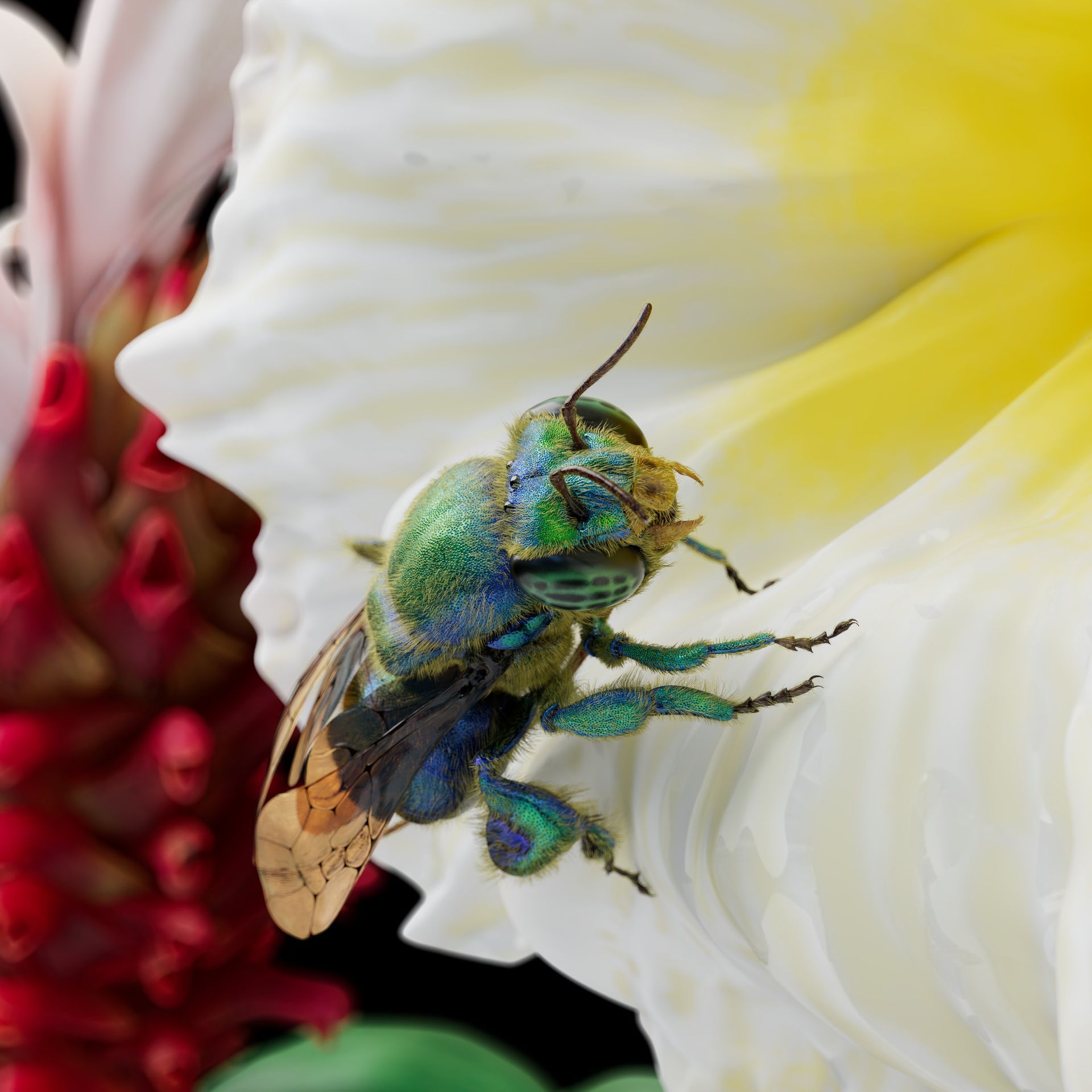
(Yes, this is a 3D model!)
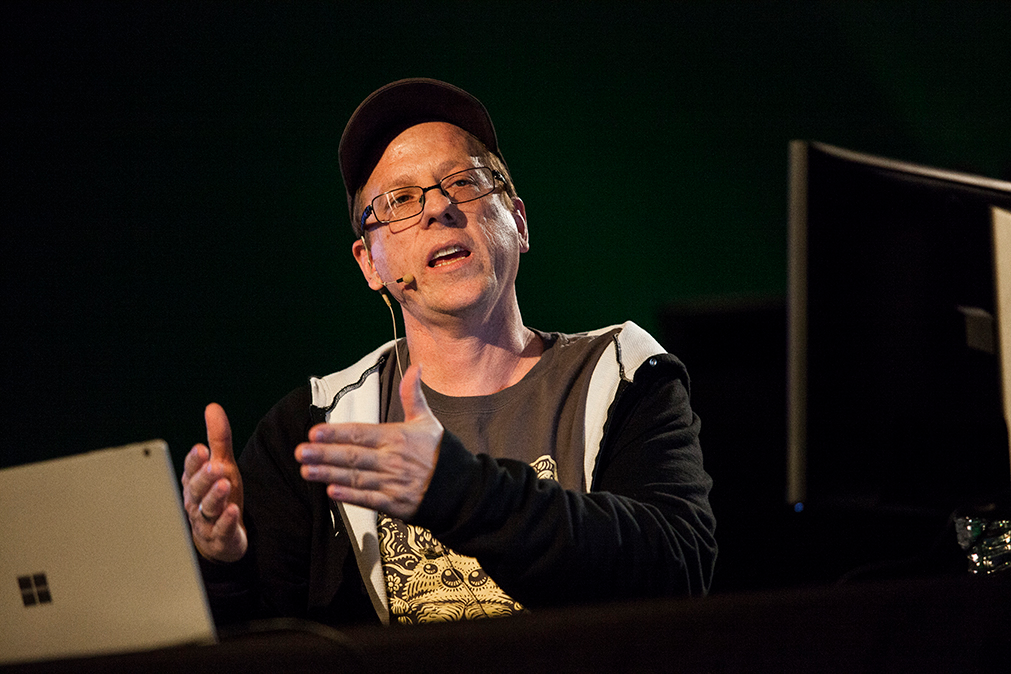
Eric Keller
I am an Emmy nominated visual effects artist (Wednesday Season 1) who has 25+ years experience as a digital artist for the entertainment industry and the scientific community.
I started out animating science lectures at HHMI in the late 90s and began to focus on entomology around 2010. I have worked on projects for E O Wilson as well as museum displays and the planetarium show "Signs of Life" for Griffith Observatory in Los Angeles. I have worked on many Hollywood productions for TV and feature films. Recently I have worked with Thomas Van Derkamp on a series of workshops on how to use high quality 3d scans of insects to create models for illustrations, animation, and 3D printing. I have also given workshops for artists at the Smithsonian Institute.
I currently live in La Rochelle, France with my wife and daughter.

Mark Belan
Mark is a scientific illustrator and information designer who joined Quanta Magazine as Graphics Editor in 2024. His background as an astrobiologist working with NASA Ames inspired his passion for using visual storytelling to convey complex scientific ideas. Mark’s work has been featured in publications such as Scientific American and Nautilus Magazine, as well as in scientific journals, institutional campaigns, and museum exhibitions worldwide. Originally from Canada, he owns and operates "artsci studios", where he aims to make science more accessible through a variety of visual media ranging from illustrations to interactive web experiences.
Beyond Accuracy: Creating Compelling Scientific Illustrations
SATURDAY JULY 25
12pm - 1pm US ET
In this workshop, I will share my approach to developing illustrations for publication, focusing on how scientific ideas are translated into clear, engaging visual narratives. I will walk through my process for thinking about science literacy, from initial research and gathering visual references to brainstorming and refining concepts into final compositions.
Using selected portfolio pieces, I will demonstrate how complex scientific information can be shaped into compelling, accessible graphics. The session offers an inside look at my design methodology and invites discussion around the challenge of balancing accuracy, clarity, and visual impact in scientific illustration.
Recommended experience level: No prior experience needed
Workshop duration: 1 hour
Registration fee: $20
Materials List
Materials list:
None (This workshop will offer an in-depth lesson and the opportunity for interaction; no working materials are necessary.)