GUILD OF NATURAL SCIENCE ILLUSTRATORS ANNUAL
Visual SciComm Conference
2026 GNSI VIRTUAL CONFERENCE
Presentations
Speakers from all sectors of Visual Science Communication will present on various topics from scientific illustration to data visualization to art-science collaborations and more.
Connecting with the Research Community as an Artist: A Practical Case Study
Chris Ruggia
Field Notes at Full Scale: A New Community Mural
Catie Michel
Principled Design: An Ethics of Data Graphics
Alberto Cairo
Art as a Way to Popularize Science: The Potential of Drawing in Talking About the Biodiversity Crisis
Joanna Klepadło
Communicating Science Through Visual Metaphor
Beata Mierzwa
Color Philippine Natural History by Number Survey Findings on Impact and Future Directions in National Museum of the Philippines Biodiversity Outreach
Aissa Domingo
PANEL: Self-Employment in Today's Market
Panelists: Zoe Keller, Jennifer Fairman, and Nicolle Fuller
Moderator: Mesa Schumacher
The Power of Science + Art and the Importance of Anatomy and Paleontology to Animation and Its History
Dr. Stuart Sumida
Panel: Artists' Rights in the Face of AI
Panelists: Matthew Butterick, Jamie Silverberg, Bill Westwood
Moderator: Jen Christiansen
Beyond the Poster: Designing for the Built Environment
M. Genevieve Hitchings
Learning in the Field: Collaborative Outdoor Science Illustration with the Georgia DNR
Mandy Root-Thompson & Amanda Behr
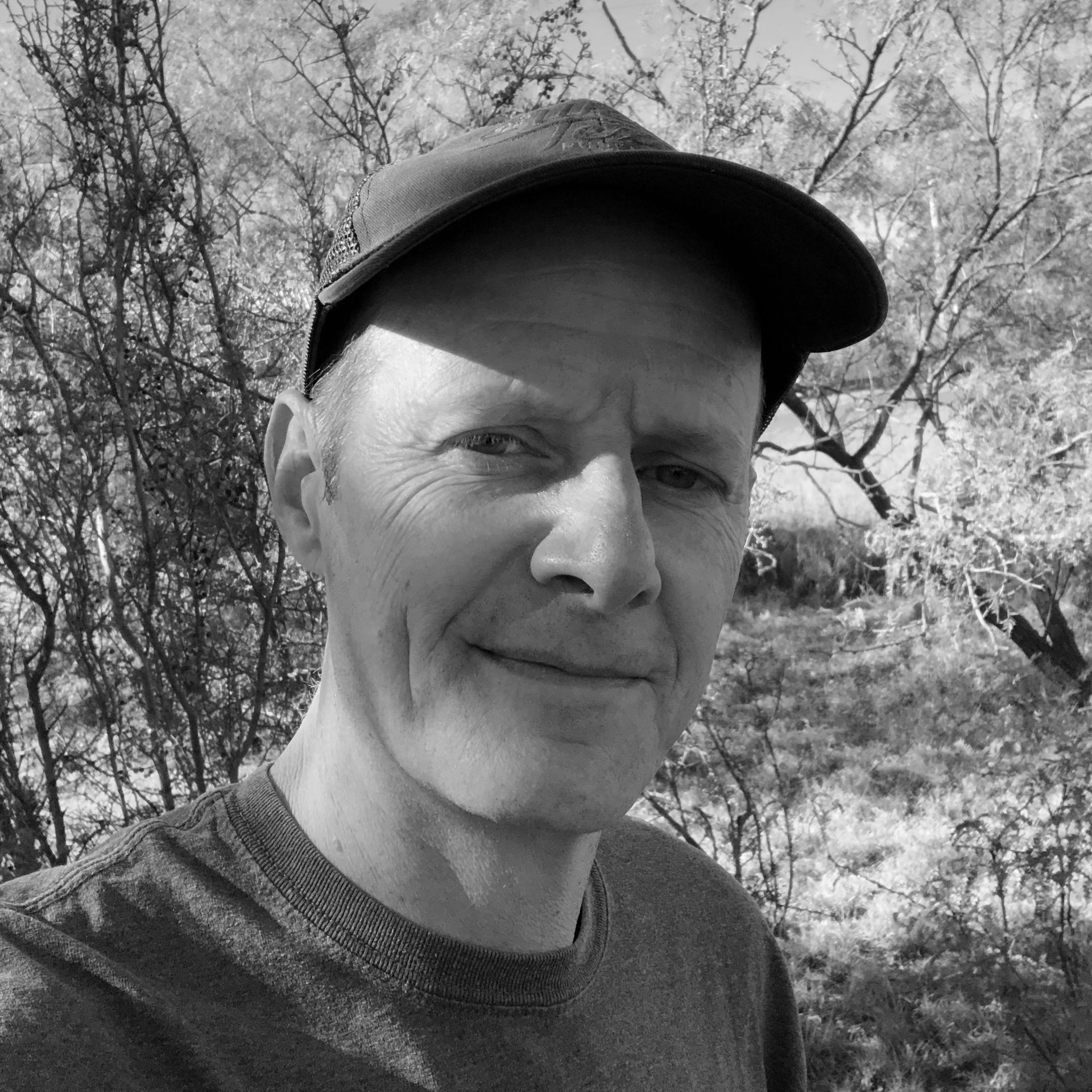
Chris Ruggia
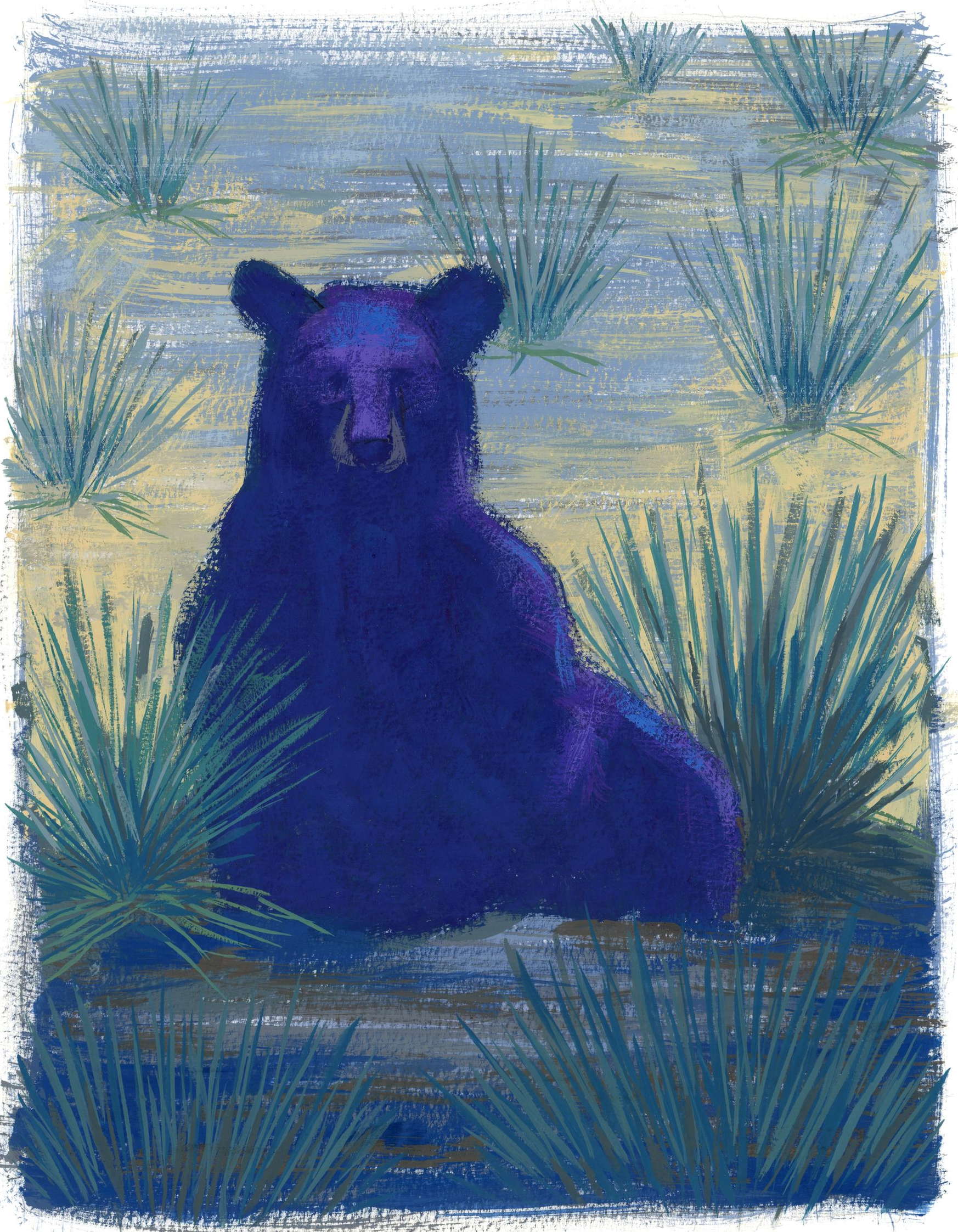
My wife Ellen (a longtime GNSI member!) and I have operated a graphic design and illustration studio in Alpine, Texas for 29 years. We met while studying Studio Art at the University of Texas at Austin. I have held occasional solo and group exhibitions of my artwork and through the 2010’s I self-published a series of comic books interpreting the fauna of the Big Bend region which remain in print.
In early 2023, I began new work with a focus on interpreting current studies of the wildlife of our area and highlighting the people doing that research. In January 2024, I co-founded Alpine's annual Wildlife Weekend event in partnership with Visit Alpine, Texas, Borderlands Research Institute, Texas Parks & Wildlife and other partners. In early 2024, I self-published a small book on black bears and their recolonization of habitats in the Trans-Pecos region and in summer 2024 I served as one of Big Bend National Park's Artists in Residence.
Connecting with the Research Community as an Artist: A Practical Case Study
SATURDAY JULY 18
10:15 - 10:45 US Eastern
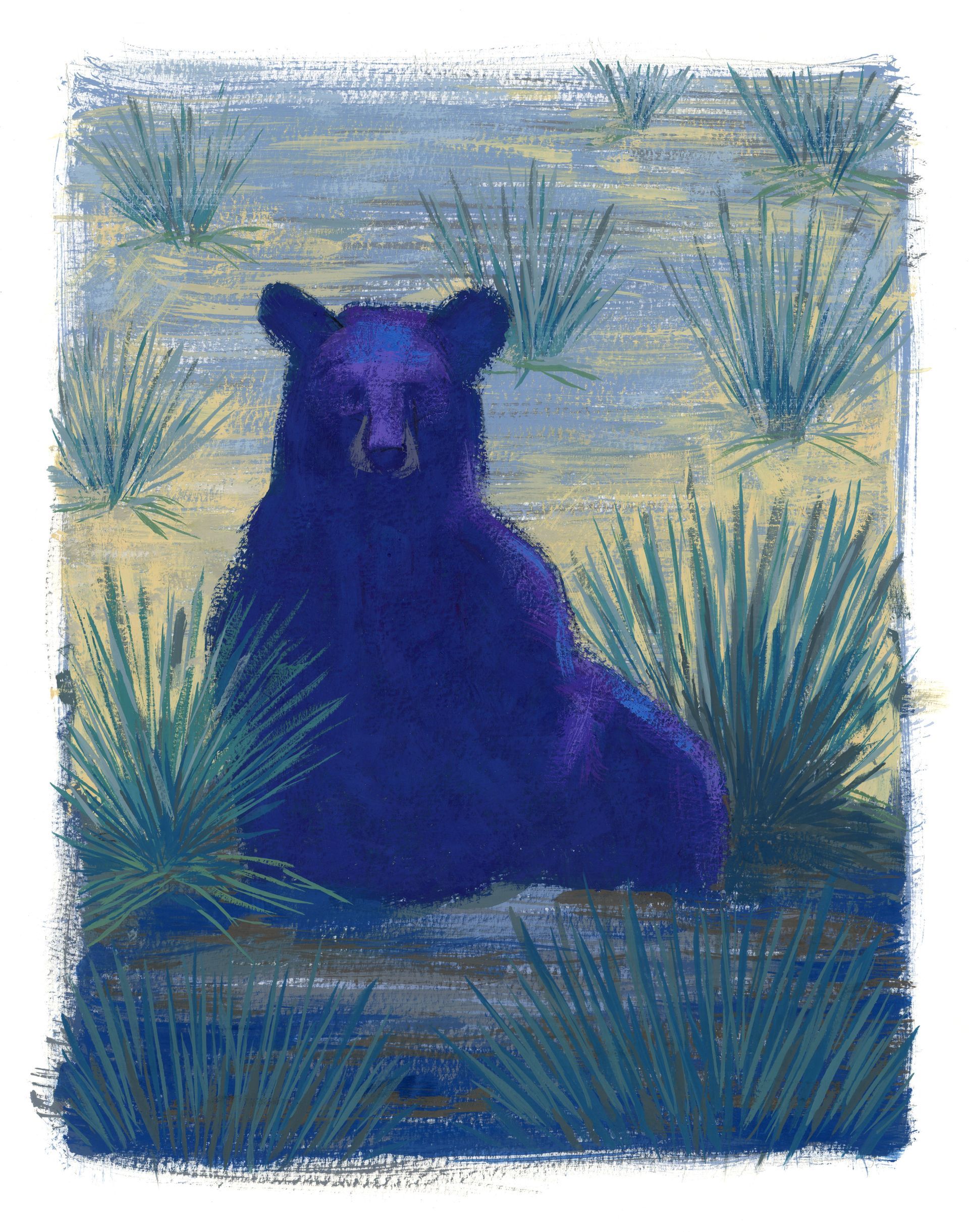
Over the past few years, through my wildlife art and cartooning practice I have initiated and worked to develop strong relationships with the faculty, students and administration of the Borderlands Research Institute at Sul Ross State University, along with other regional conservation groups in Texas' Big Bend. By approaching these relationships as a partner with an enthusiasm for learning rather than a vendor in search of their budgets, and by keeping a constant focus on bringing value and furthering their goals and interests, I have been able to pitch successful interpretive projects and events that have both benefited my art sales and helped my partners meet their outreach goals.
Field Notes at Full Scale: A New Community Mural
SATURDAY JULY 18
11:45 - 12:15 US Eastern
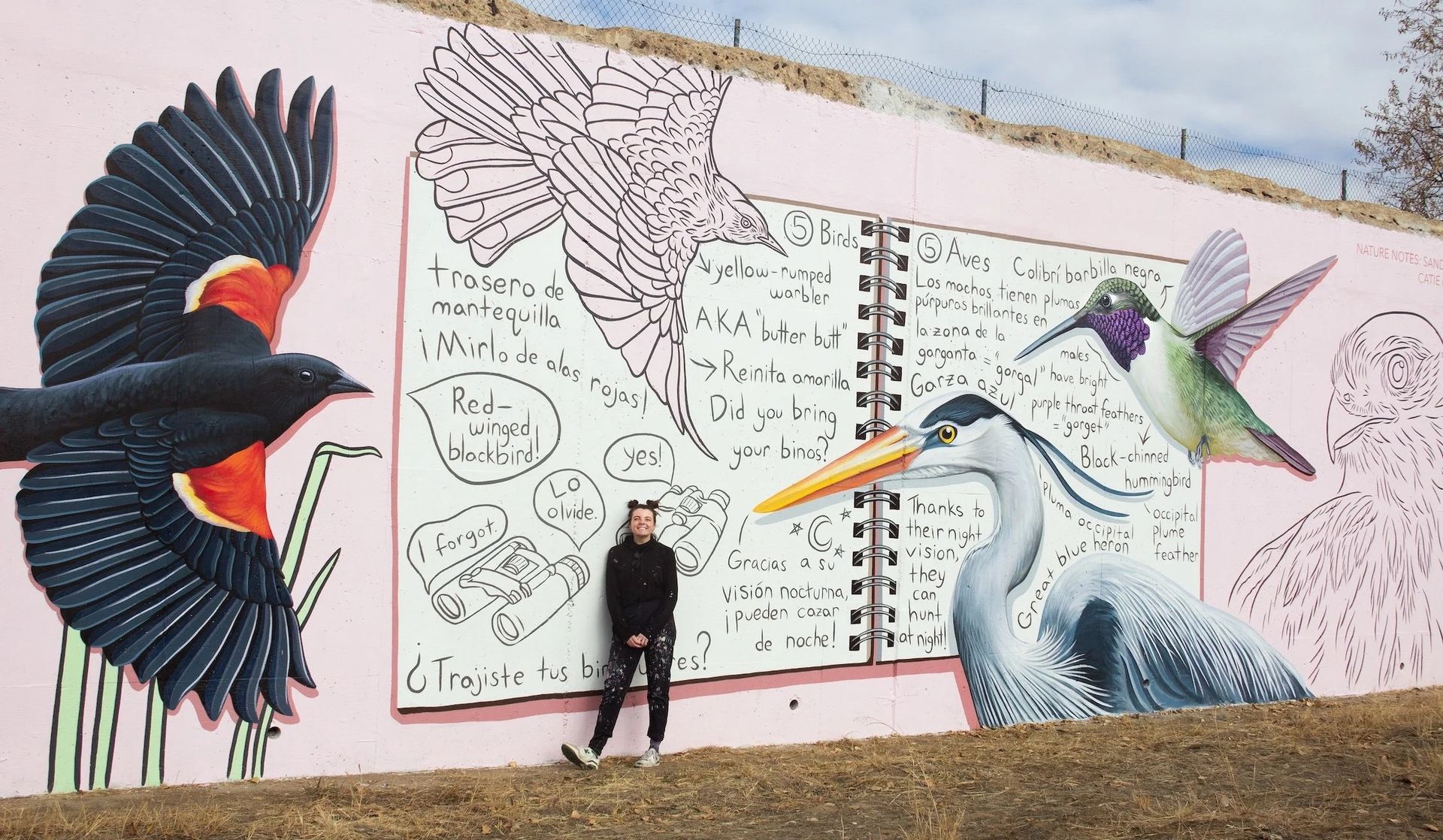
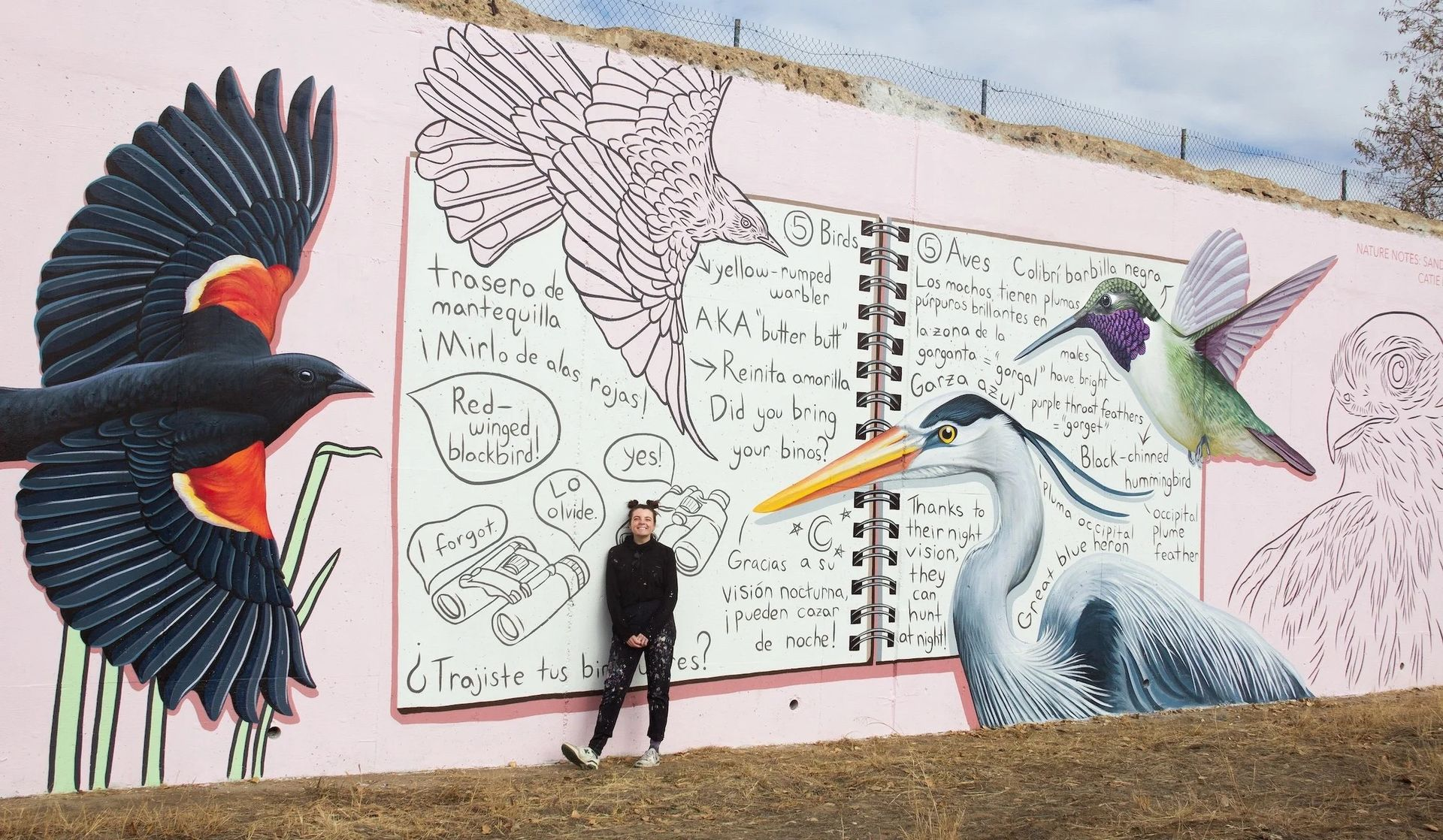
The Sand Creek Regional Greenway in Denver, CO, has undergone decades of ecological restoration and public art activation. Once confined within airport tunnels, the creek has been daylighted and reimagined as a vibrant public trail. For its 25th anniversary, Nature Notes: Sand Creek, a new community mural, was commissioned to celebrate this transformation and the Greenway’s commitment to environmental education.
This mural applies scientific illustration at a larger-than-life, interactive scale through a series of field notebooks, each focused on an ecological theme. Community observations of native flora and fauna, gathered through public input, shape the content. Species are depicted from loose “pencil” line drawings to full-color renderings, alongside tools of observation and handwritten notes in English and Spanish (the notes are actually painted with a color called “Pencil Point!”).
We’ll explore this project from concept to execution, demonstrating how scientific accuracy, accessibility, and participation can coexist in large-scale public art.
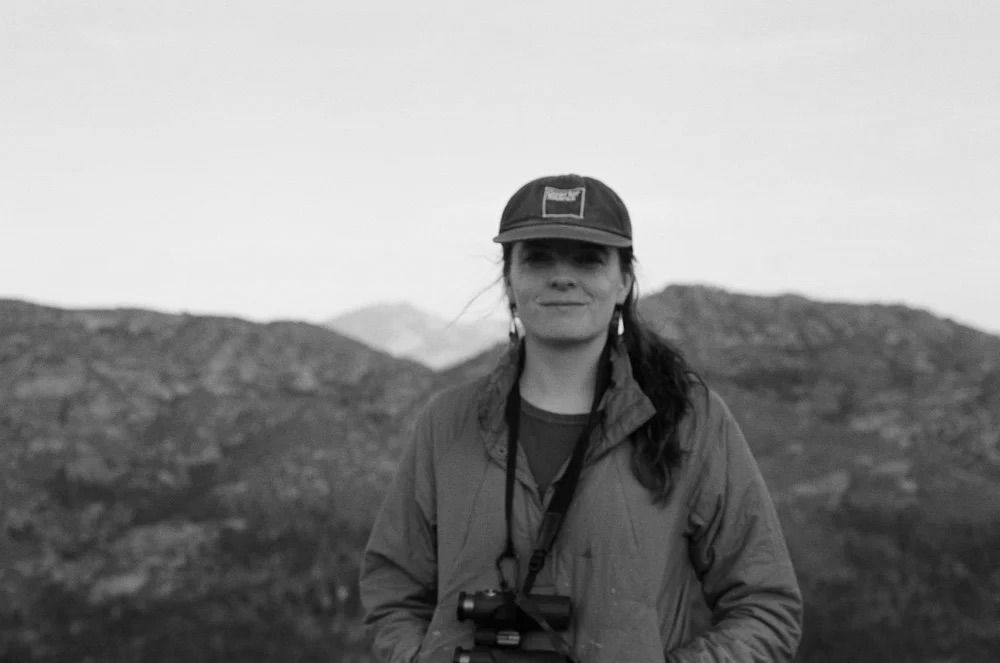
Catie Michel
Catie Michel is a science illustrator, public artist, and devoted naturalist based in Denver, CO. Having worked for NOAA and the Golden Gate Bird Alliance, her background in field research and science communication grounds her creative work in attention and inquiry. Finding great community in shared curiosity, Catie examines themes of connection, access, advocacy, and the intersection of science and art.
She has created public murals across Colorado and collaborates with organizations like The Nature Conservancy, NSF, the Royal Society for the Protection of Birds, and State Parks.
She is currently a Fireline Fellow at OSU, researching wildfire, through artistic and scientific inquiry, and teaches science illustration for the Denver Botanic Gardens and ASBA. Recent shows include the Roger Tory Peterson Institute (NY), GNSI (MA), RMCAD (CO), Creature Conserve (PA), and the Brinton Museum (WY). She is a bird banding volunteer for the Bird Conservancy of the Rockies/Denver Audubon.

Dr. Alberto Cairo
Alberto Cairo the Knight Chair in Infographics and Data Visualization at the University of Miami, and director of the Visualization program at UM’s Frost Institute for Data Science and Computing. Cairo has been a graphics director at news publications in Spain and Brazil, and works as a visualization consultant for numerous companies and international organizations. He’s the author of four books; the most recent ones are ‘How Charts Lie’ (2019) and ‘The Art of Insight’ (2023).
Principled Design: An Ethics of Data Graphics
SATURDAY JULY 18
3:30pm - 4:30pm US Eastern
Conversations and scholarship about charts and maps often focus on technical aspects (software, techniques, and practices,) or on perceptual and cognitive effectiveness. They don't discuss the motivations, goals, and ethos of the designers who create those charts with the same frequency. This talk will try to shift that balance, and outline a very personal and tentative ethical framework.
Art as a Way to Popularize Science: The Potential of Drawing in Talking about the Biodiversity Crisis
SUNDAY JULY 19
10:45 - 11:15 US Eastern
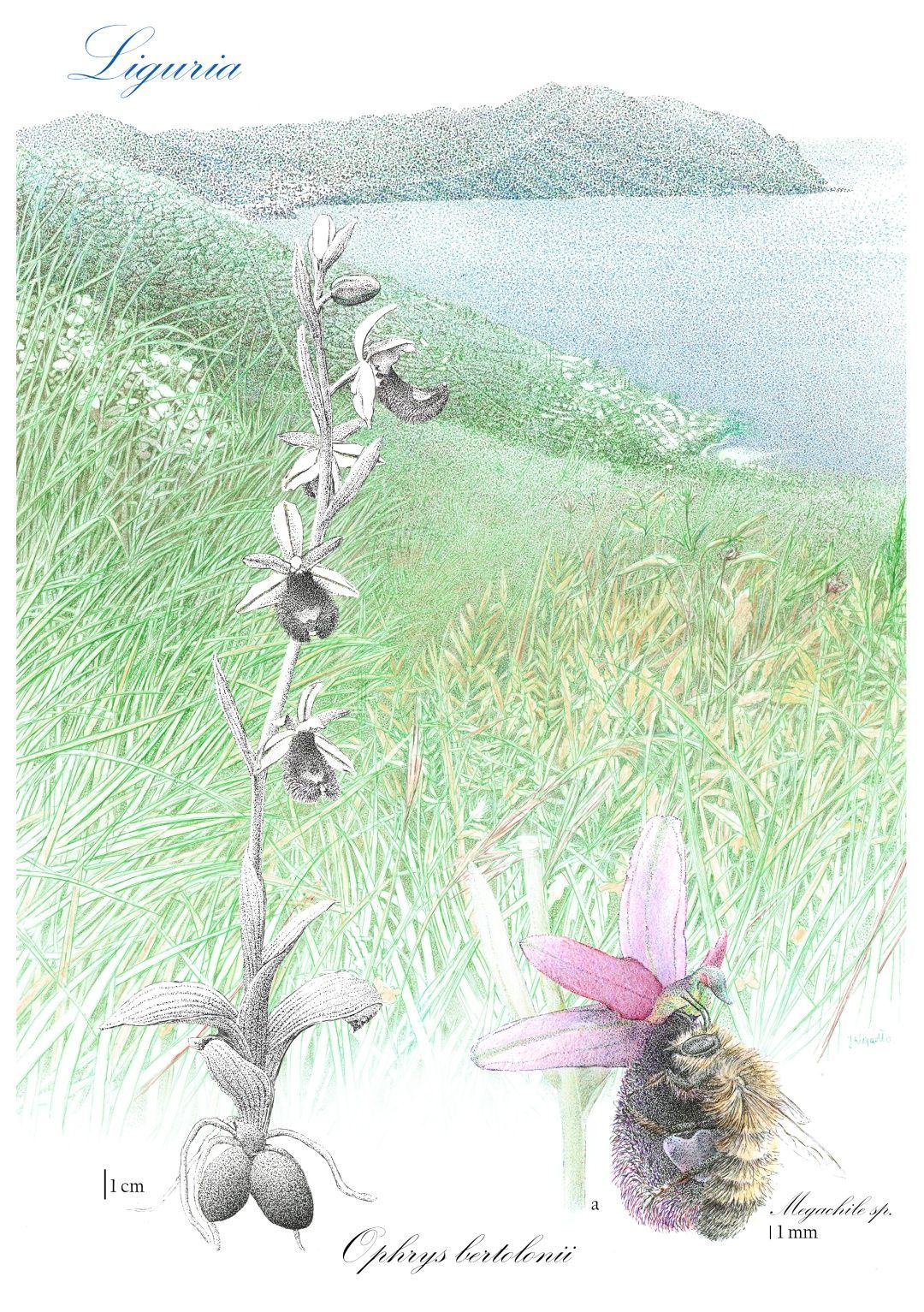
The presentation is about my art PhD project "Art as a way to popularize science: the potential of drawing in talking about the biodiversity crisis". Its aim is to identify effective ways to use drawing to disseminate knowledge about the biodiversity crisis, in order to raise public awareness and to promote environmentally conscious behavior.
In researching the ways in which art communicates environmental issues, including natural science illustration, I identified a gap that the artwork of my doctoral project aims to fill. This gap is the popularization of science through art beyond scientific, artistic, or educational institutions, in order to reach people who are not already interested in science, art, or nature. Based on academic literature on human behavior and conservation marketing, I developed a set of guidelines for making the final artwork, and I designed illustrated products to reach tourists in Liguria, Italy.
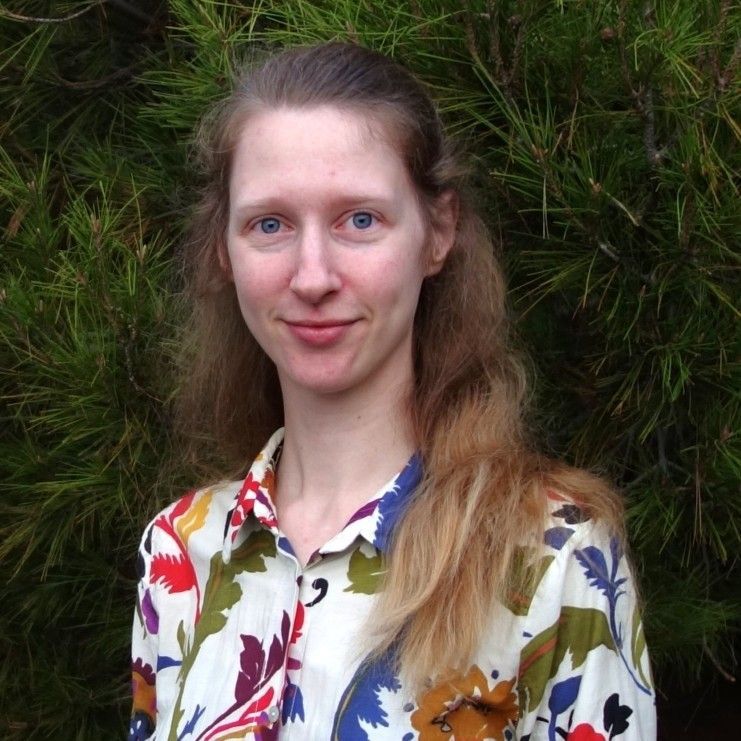
Joanna Klepadło
I am a naturalist illustrator from Poland, currently living in Italy. Through my work, I aim to help popularize natural science, and I share my appreciation and respect for the natural world. I am particularly interested in the small-scale details of plants and small organisms that often go unnoticed. I work using traditional techniques, including pen and ink and colored pencil.
In recent years I have been working on my PhD thesis "Art as a way to popularize science: the potential of drawing in talking about the biodiversity crisis" at Nicolaus Copernicus University in Toruń, Poland. As part of this project I have illustrated rare, protected and endangered species in Liguria (Italy) along with the local landscape.
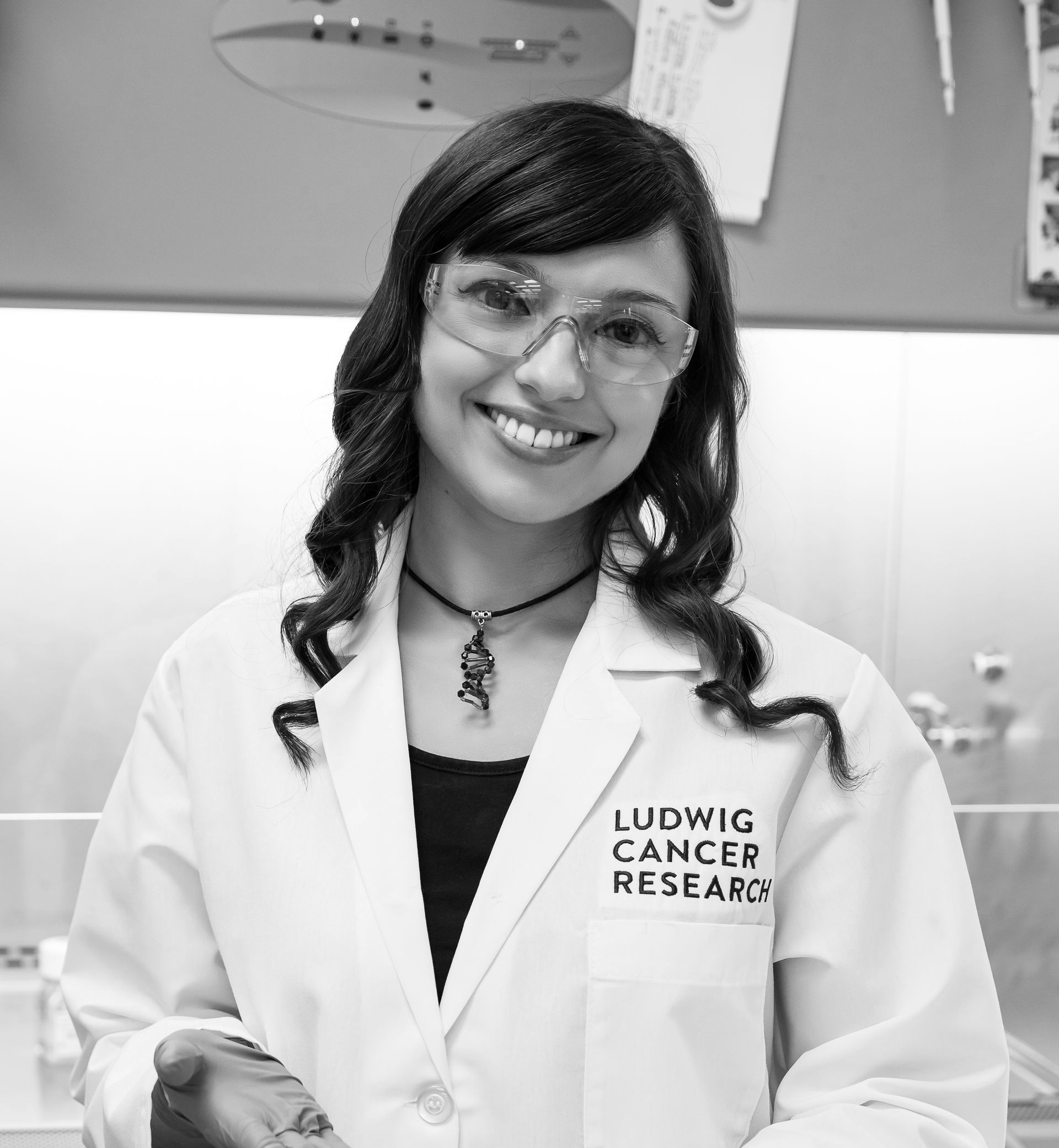
Beata Mierzwa
Beata Mierzwa studies how human cells divide and shares the beauty of science through art, fashion, and interactive media. After having worked on cytokinetic abscission during her PhD, Dr. Mierzwa’s current research at the University of California San Diego focuses on understanding mechanisms of cell division and the p53 pathway to improve cancer therapy.
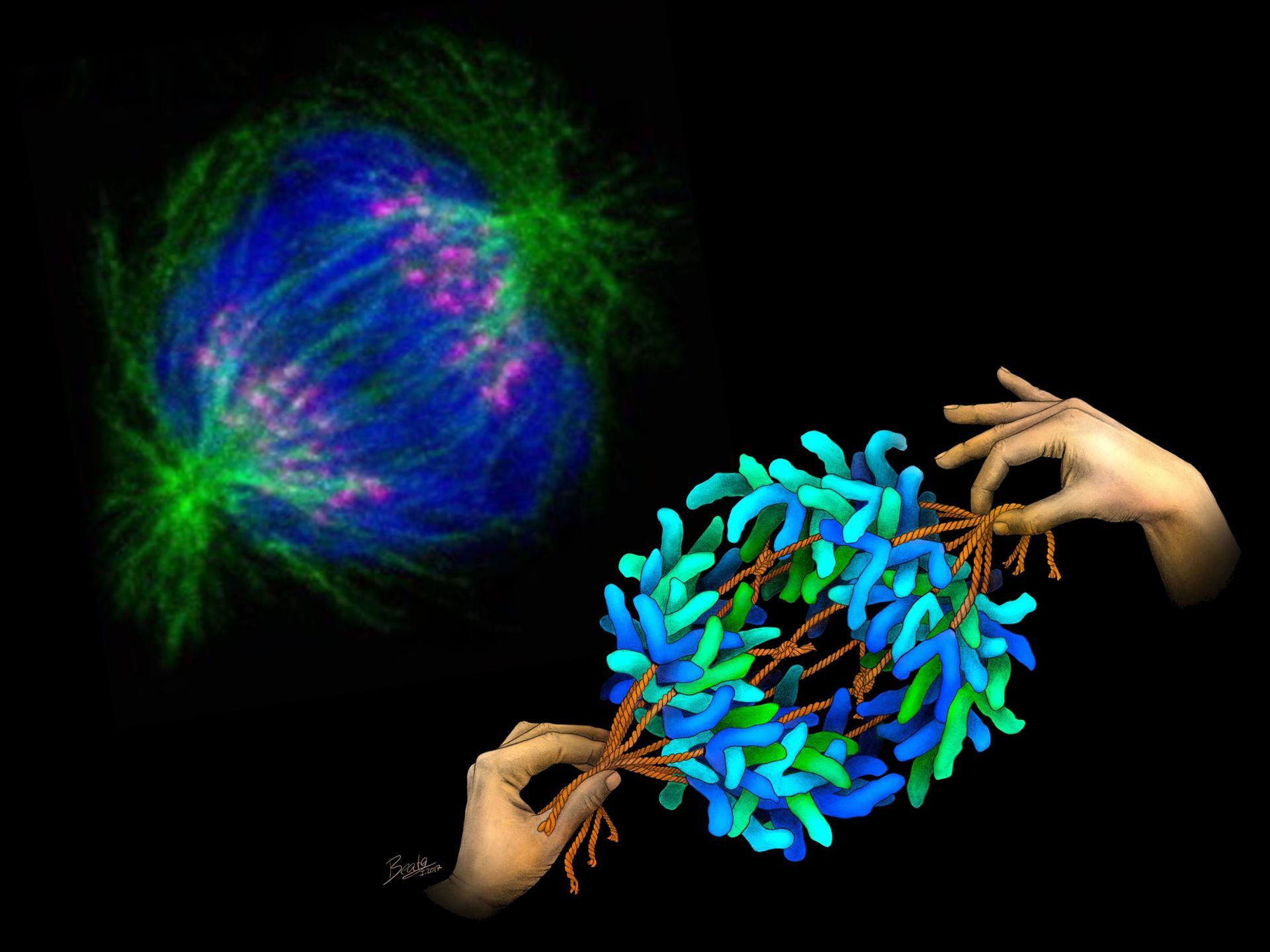
Beyond her academic career, Dr. Mierzwa explores different approaches to visual science communication. Her hand-drawn illustrations use metaphor to portray scientific concepts in intuitive ways, while her microscopy fashion celebrates the beauty of the molecular world. She also created a science video game, Microscopya, that invites players to explore the beauty inside our cells.
Through her AAAS IF/THEN Ambassadorship for science outreach and her work with Young Women in Bio – Southern California, she aims to inspire creative students to pursue careers in STEM. For more information, please visit www.beatascienceart.com or follow @beatascienceart on social media.
Communicating Science Through Visual Metaphor
SUNDAY JULY 19
1:30pm - 2pm US Eastern
Creativity is an integral part of both science and art, and combining them creates unique ways to communicate scientific information inside and outside the scientific community.
Alongside my research on cell division, I explore approaches to visual science communication with hand-drawn illustrations, science fashion, and interactive media. My work conveys complex biological concepts using visual metaphor, abstract imagery, and real scientific data to make visuals engaging across various levels of expertise. This form of visualization provides a powerful tool to facilitate communication between researchers from diverse fields, promote creativity in scientific research, as well as spark fascination in our next generation.
In this talk, I will share my experiences in using metaphors to communicate complex ideas in intuitive ways, highlight the impact of artistic practices on my own research and communication, and explore ideas to initiate a broader conversation on the use of visual metaphor in research and science communication.
How “Color Philippine Natural History by Number” Shapes Learning: Survey Highlights from National Museum of the Philippines
SUNDAY JULY 19
10:15 - 10:45 US Eastern
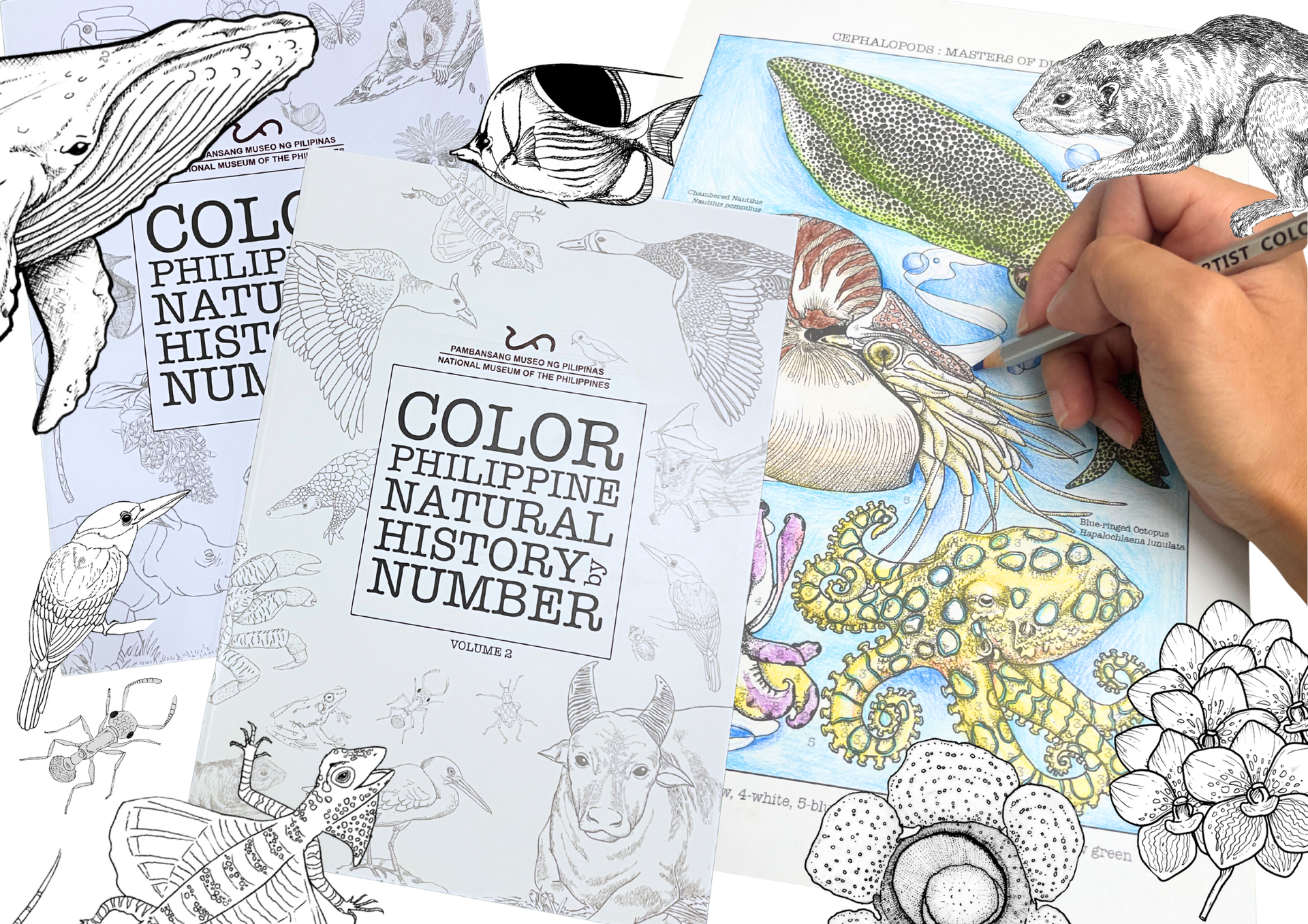
The "Color Philippine Natural History by Number" is a 2-volume educational coloring book launched by the National Museum of the Philippines in early 2024 as a free PDF and print publication. It features illustrations of unique Philippine flora, fauna, and prehistoric species from terrestrial and marine ecosystems. The series promotes biodiversity awareness through interactive artistic engagement.
This study reports findings from a survey of the National Museum of the Philippines and its regional component museums outside Metro Manila, assessing the integration of coloring books/sheets into educational programs, exhibitions, and outreach activities. Results evaluate their practical use, effectiveness, and impact on public engagement with Philippine natural heritage, providing insights to guide the development of future NMP educational resources.
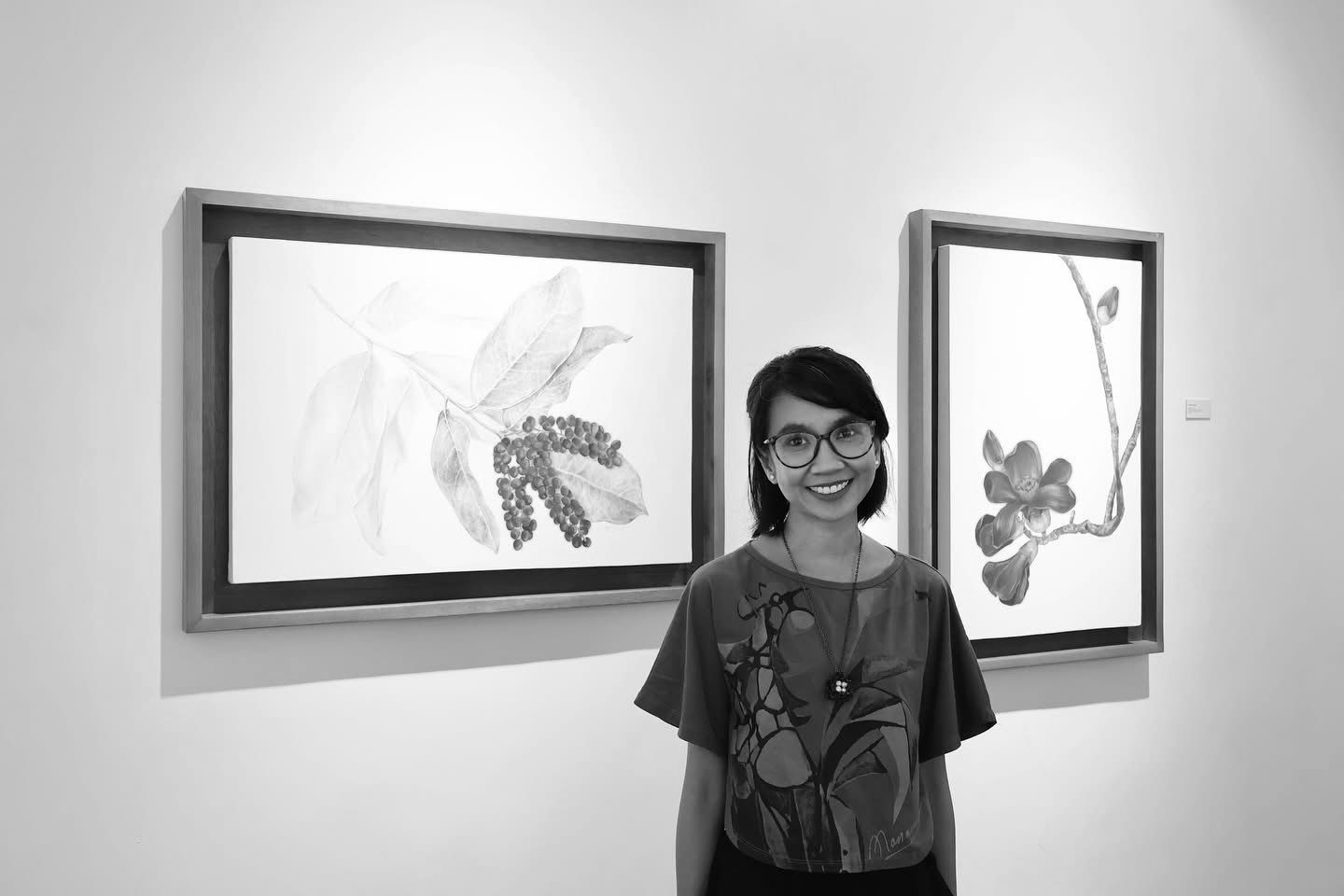
Aissa Domingo
Aissa Domingo is an artist at the Zoology Division of the National Museum of the Philippines (NMP). Dedicated to merging art and science, she creates precise illustrations and photographs of Philippine flora, fauna, and fossils. Her works have been published in local and international scientific journals and exhibited across the Philippines and Southeast Asia.
In 2024, she held her debut solo exhibition, Secret Garden, at ANIMA Art Space in Quezon City, featuring botanical illustrations and blind contour drawings that celebrate Philippine flora while exploring nature documentation and the transience of memory—drawn from her field hikes and observations.
Aissa leads workshops on scientific illustration and botanical art, and is a key artist for the NMP’s popular Color Philippine Natural History by Number books. A cum laude BFA Painting graduate from the University of Santo Tomas, her interdisciplinary practice inspires a deeper appreciation for Philippine biodiversity through meticulous observation and artistic vision.
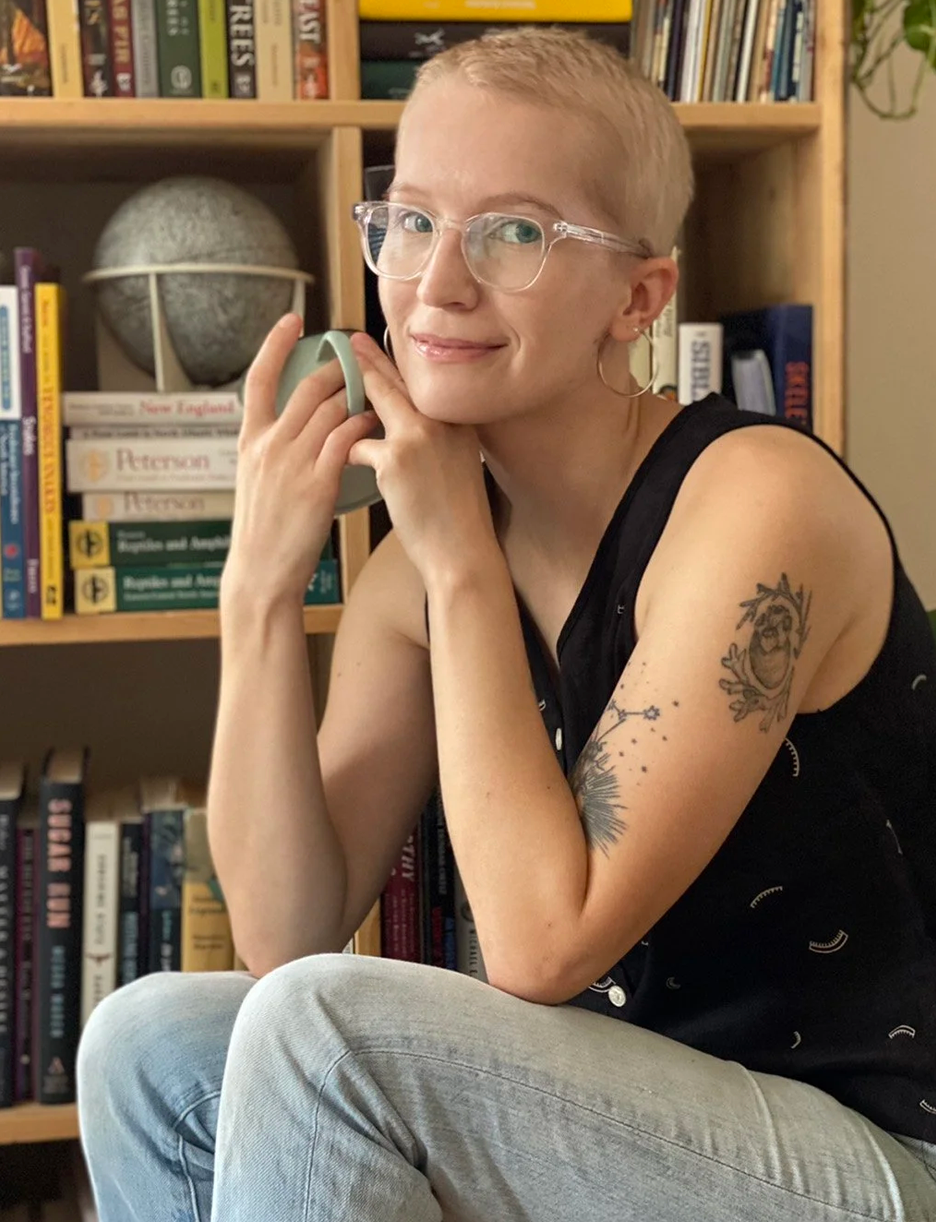
Zoe Keller
A Woodstock, New York native, Zoe Keller's creative upbringing in the rural Catskills shaped her future as an artist and amateur naturalist. After graduating from the Maryland Institute College of Art, Keller made homes and studios in Minneapolis, Philadelphia, on the rocky Maine coast, in West Michigan's farm country and Eastern Oregon's Wallowa Mountains before finally returning to her hometown.
Using graphite and digital media, she creates meticulously rendered visual narratives. Placing a special focus on at-risk species and wildlands, Keller weaves drawings that explore the interconnectedness of fragile, vanishing ecosystems. Over the past decade, Keller has illustrated newspaper and magazine articles and book covers for clients including The New York Times, The Nature Conservancy, Penguin Randomhouse UK and Texas Monthly. She is currently working on her first children’s book with Storey Publishing.
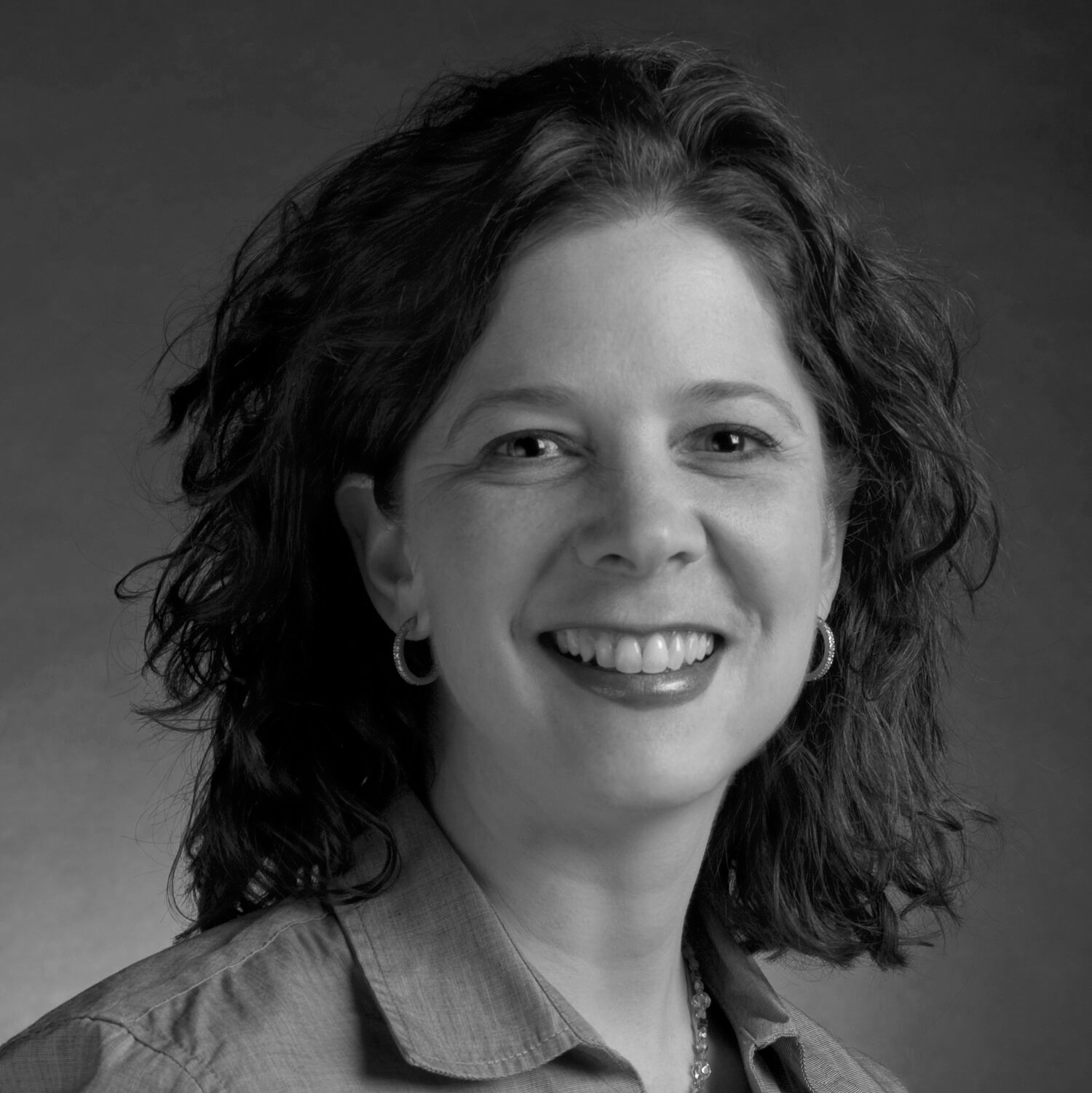
Jennifer (Jeni) Fairman
Jennifer Fairman brings more than three decades of experience in science education, business policy, and research in visual biocommunications. She specializes in patient education, journal and editorial illustration, 2D animation, web development, and small business practices. Her work has been widely published in top peer-reviewed and professional publications, and has collaborated extensively on NIH‑ and NSF‑funded research and Nobel‑related work.
Jeni holds a BS in Biological Sciences and a BA in Studio Art from the University of Maryland. She earned her MA in Medical and Biological Illustration from the Johns Hopkins University School of Medicine. She is a Vesalius Trust Research Grant recipient and was named the Trust’s 1999 Inez Demonet Scholar. She also holds an MPS in the Business of Art and Design from the Maryland Institute College of Art (MICA), receiving the Ratcliffe Foundation’s top grant in MICA’s UP/Start Venture Competition.
Her experience includes serving as a scientific illustrator and research associate at the Smithsonian’s National Museum of Natural History, specializing in systematic entomology, and interning at Hurd Studios, an animation pioneer for patient education and biotech/pharma. She later worked as a staff medical illustrator at Lahey Clinic before launching her own art studio. Jeni has served the Association of Medical Illustrators as Chair of the Mentorship Committee and as a member of the Board of Governors. A Fellow of the organization, she has received numerous salon awards, and is a two-time recipient of the AMI’s Outstanding Service Award. She currently serves as President of AMI. Outside AAM, Jeni plays jazz trumpet and is an accomplished metalsmith.
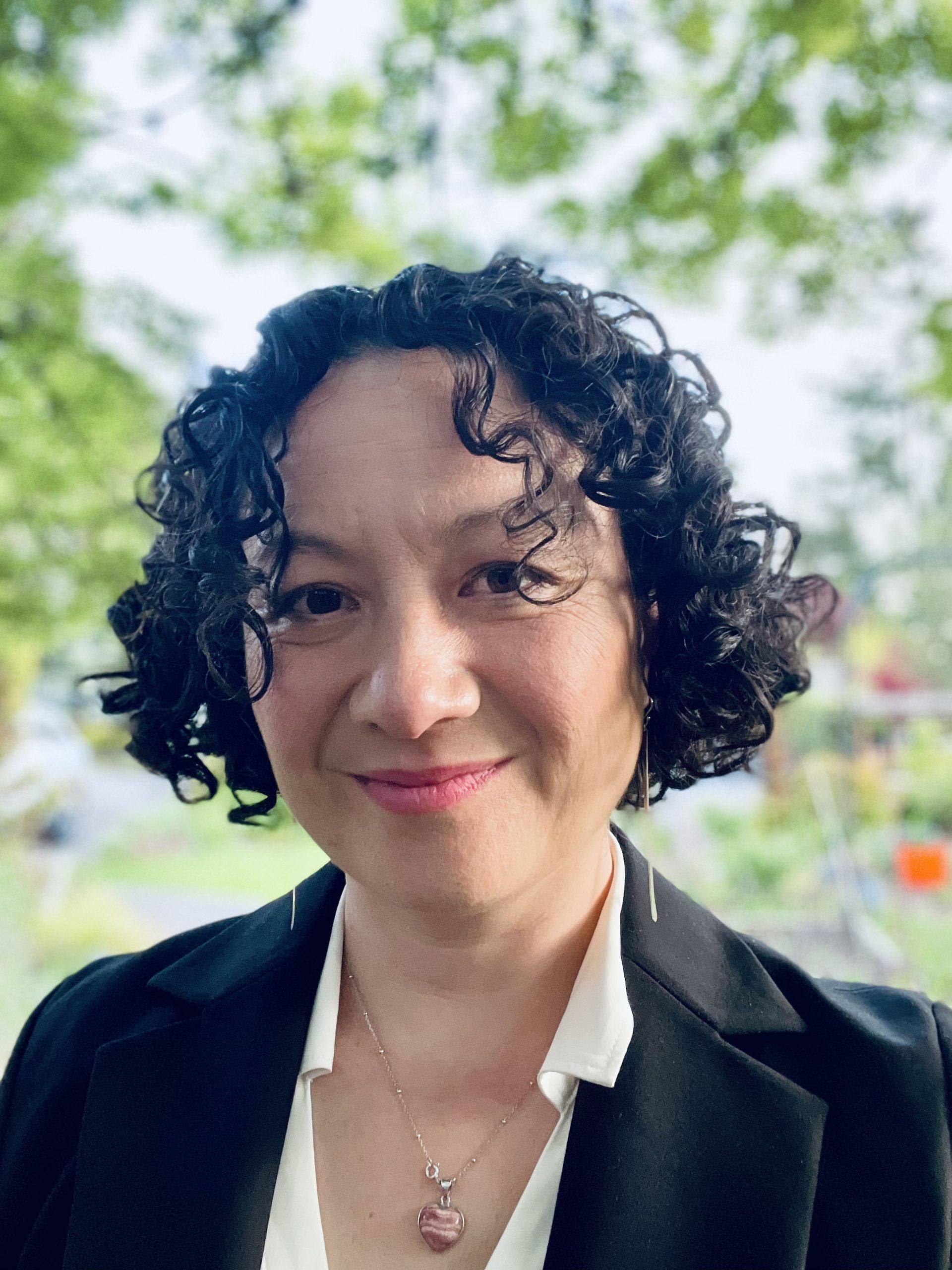
Nicolle Fuller
I am SayoStudio's founder, leading our design studio that communicates complex science and technology with art and animation. We work with climate, cleantech, and environmental organizations, as well as life science and deep tech companies, who are eager to visually share their passion for innovation and discovery. Our work helps organizations secure funding, close critical commercial agreements, and earn press recognition by making their science impossible to ignore. To fully support science-driven organizations, we offer graphic design services including brand development, web and pitch deck design. Based in Bellevue, WA, I have a fantastic team across the United States and Europe.
PANEL: Self-Employment in Today's Market
SUNDAY JULY 19
3:45pm - 5:15pm US Eastern
Panelists: Zoe Keller, Jeni Fairman & Nicolle Fuller
Moderator: Mesa Schumacher
Freelancing and self-employment offer many incentives: a self-determined schedule, more creative freedom. But how does one actually find their footing as a self-employed artist?
This becomes an increasingly complicated question in today's world. How can new artists break into the market or pivot from regular employment? How does one find a niche? What tools or tricks exist that newly self-employed artists might not be aware of yet? How does one juggle responsibilities such as family or other jobs? How can artists make room for themselves in a culture that encourages hustle and burnout? Are market trends changing, and what's required to find new work today?
This panel will feature three illustrators who have found success in different corners of the field. We look forward to hearing their perspectives on what it means to be self-employed in 2026.
This 90-minute panel will consist of brief introductions from each illustrator, followed by moderated discussion and an open Q&A. Registered attendees will have the opportunity to submit questions in advance or during the live discussion.
PANEL MODERATOR
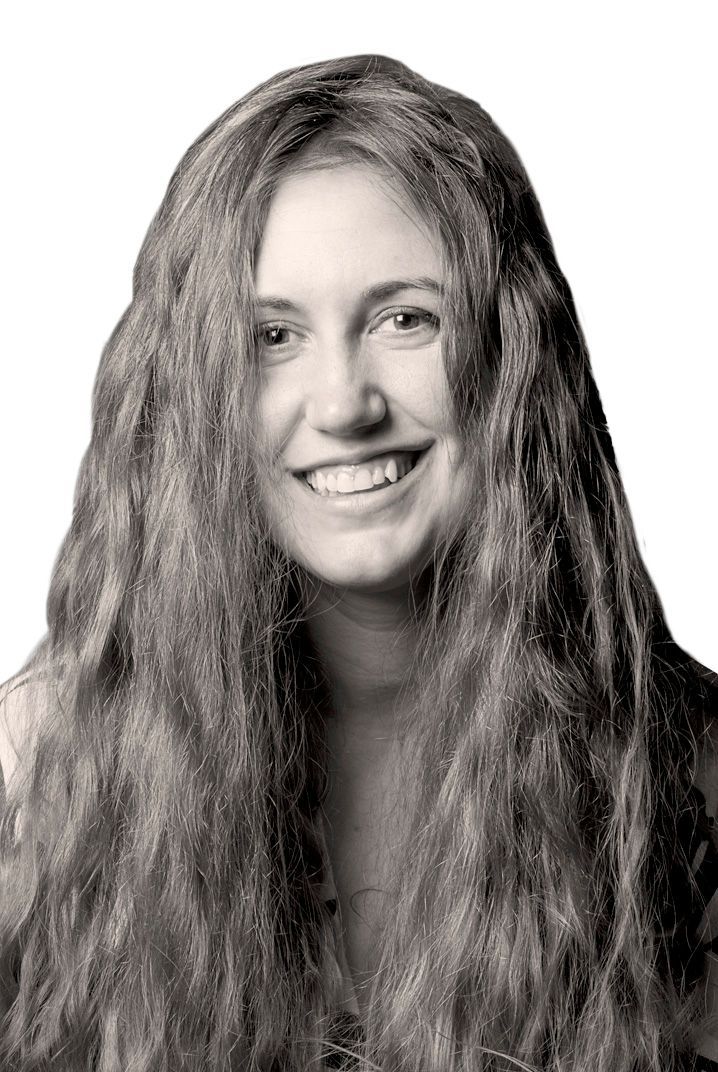
Mesa Schumacher
Mesa Schumacher, is a certified medical illustrator, and the owner of Mesa Studios. She spends an inordinate amount of time drawing animals and all things related to science. Her work can be found in academic and trade publications, the pages of National Geographic and Scientific American, signs at the National Zoo, STEM board games like Finspan, and cut into puzzles with Genius Games. Mesa currently lives in Mauritius with her husband and two kids, and has been in a loving relationship with Photoshop for many years.
The Power of Science + Art and the Importance of Anatomy and Paleontology to Animation and Its History
SATURDAY JULY 18
1pm - 2:30pm US Eastern
Paleontology (and dinosaurs particularly) has played a fundamental role in both the history of animal locomotion studies, as well as the history of film and animation.
Many are familiar with the roles that Eadweard Muybridge played in these histories, but the depth is far greater than just that. Further, the anatomical rules known to scientists and scientific illustrators are critically important to those working in the entertainment industry, particulary to those in animation and its many new subdisciplines as computer animation has complemented tradition hand-drawn animation. This extends logically to visual effects artists as well. A recognition of the mutually beneficial tools of anatomy and creative entertainment provide powerful strategies for science, art, and educational outreach for both disciplines, and the discipline of their integration.
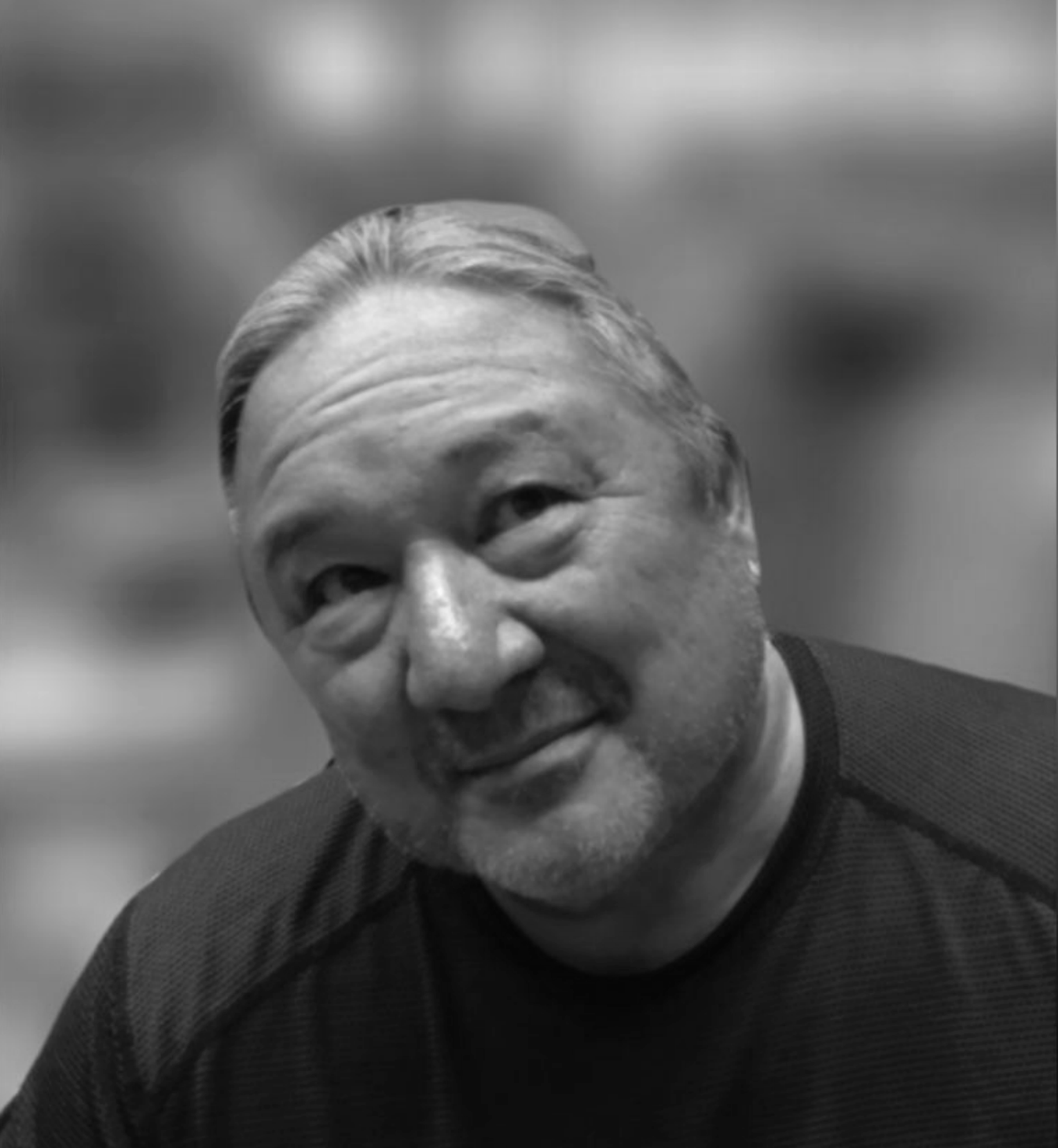
Stuart Sumida
Stuart Sumida is the current president of the Society of Vertebrate Paleontology and an expert on the animals that completed the transition from water to land, approximately 300 million years ago. Additionally, he has been an anatomical and scientific consultant for nearly 100 animated and visual effect-heavy films, ranging from “The Lion King” (the 1994 version) to the most recent Zootopia 2, the How to Train Your Dragon trilogy, Life of Pi, Ratatouille, and many others. He has also worked with video game companies such as Blizzard, Guerilla, and Valve, and on theme park rides in both Disneyland and Walt Disney World.
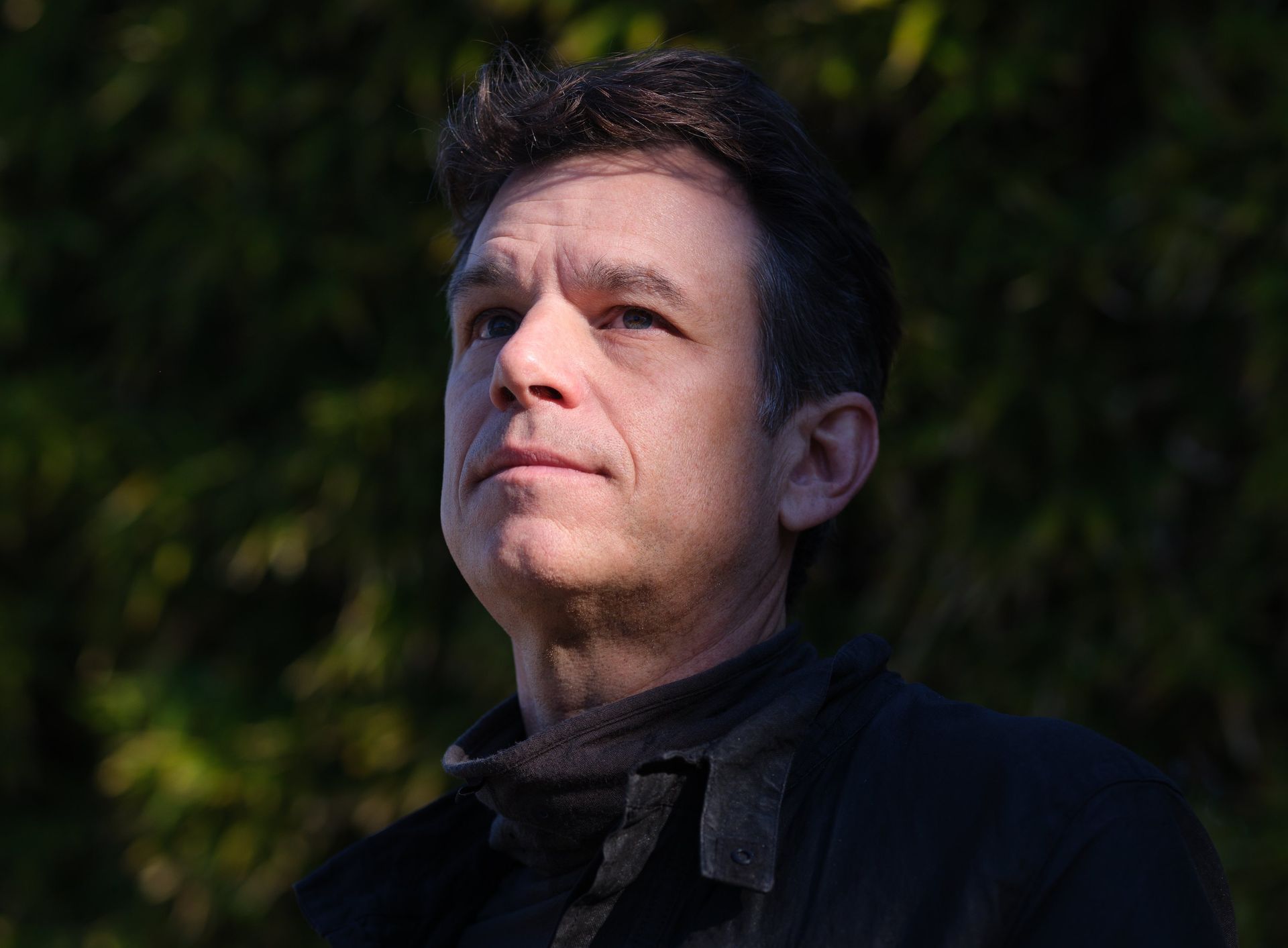
Matthew Butterick
I’m an author, typographer, programmer, and lawyer. Like millions of other authors, artists, and programmers, my work was copied for the training datasets of commercial generative-AI systems without consent, credit, or compensation. In response, I reactivated my law license and invented the first set of cases in the US challenging the legality of generative AI. I now serve as co-counsel, representing fellow authors, artists, and programmers against numerous AI companies, including OpenAI, Midjourney, Meta, NVIDIA, Google, and Apple. I have a visual-studies degree from Harvard University and a law degree from UCLA.
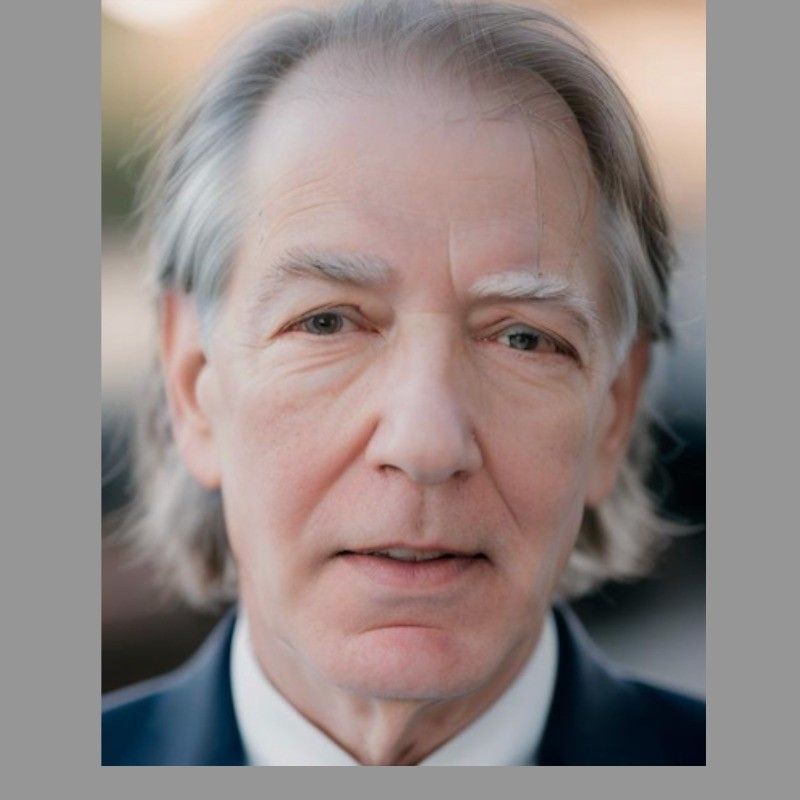
James Silverberg
James Silverberg, Esq., is the CEO of the American Society for Collective Rights Licensing (ASCRL), the largest visual material trade organization in the United States. His work with ASCRL includes collective management administration, copyright and artificial intelligence matters, and frequent presentations at international conferences for IFRRO and CISAC, as well as for Congress, and interfaces with the US Copyright Office. He comes to this position after 40 years of litigation experience advocating for copyright owners throughout the United States.
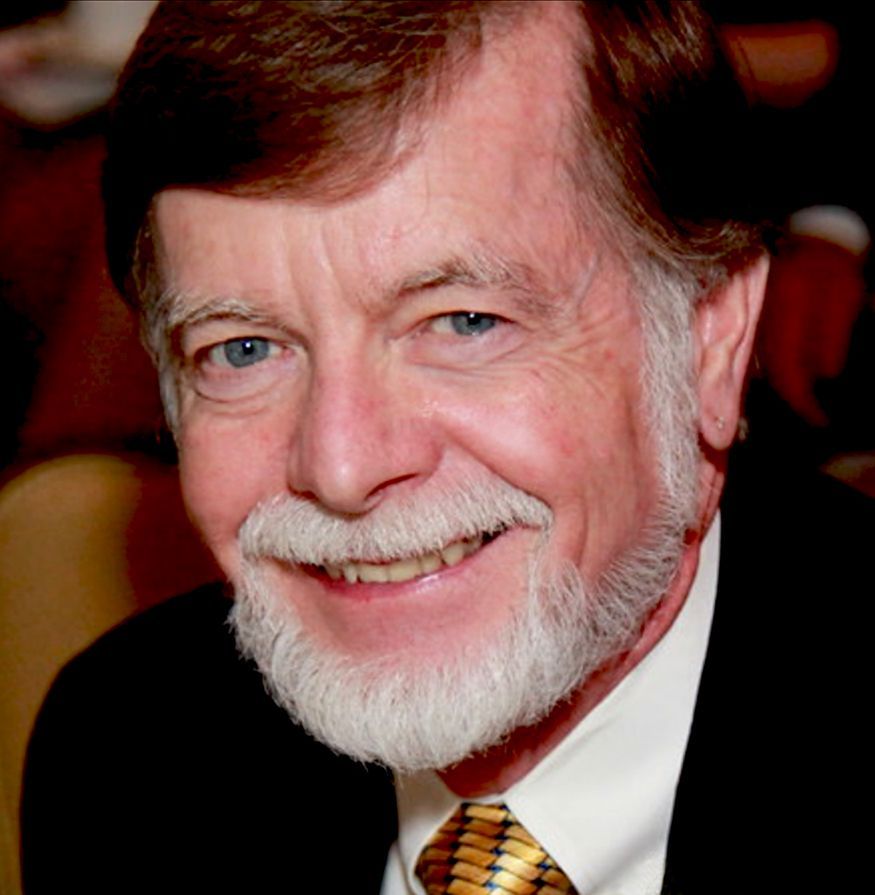
Bill Westwood
MS, CMI, FAMI
Bill is a Board-Certified medical illustrator with 54+ years’ experience, including 10 years at the Mayo Clinic in Rochester, MN before establishing his own medical art studio in Albany, NY. He holds a Master’s degree in Medical Illustration from the Medical College of Georgia (MCG) and is a Past-President of the Association of Medical Illustrators (AMI). Awards include: the AMI Lifetime Achievement Award; the Brödel Award for Excellence in Education; and 39 national medical art awards.
Bill is a frequent speaker and writer on business issues affecting visual creators - including copyright, negotiation, contracts, licensing and pricing. He’s a long-time panelist for a popular regional Public Radio program, “The Copyright Forum” on WAMC Northeast Public Radio. He has broad experience pursuing copyright infringements of his medical illustration.
Bill has taught “Business Practices for Visual Artists” at the Sage Colleges, in Albany, NY and is currently on the Adjunct Faculty of the Medical Illustration Graduate Program at Augusta University.
PANEL: Artists' Rights in the Face of AI
SATURDAY JULY 18
10:45 - 11:45 US Eastern
Panelists: Matthew Butterick, James Silverberg, and Bill Westwood
Moderator: Jen Christiansen
AI is the elephant in every room right now, and artists have found themselves in a particularly sensitive and rapidly changing position. All artists, whether they have integrated generative AI or resist it, will be affected by its ethical and legal questions. What do artists do with this new world? What rights do they have (or not have) when dealing with AI? Where should one be looking for information? What sorts of legal or technological changes could be on the horizon?
We will hear our panelists' perspectives on the latest in AI news and what they think artists and other creatives need to know.
This 60-minute panel will consist of brief introductions from each speaker, followed by moderated discussion and an open Q&A. Registered attendees will have the opportunity to submit questions in advance or during the live discussion.
PANEL MODERATOR
Jen Christiansen
Jen Christiansen is author of the book Building Science Graphics: An Illustrated Guide to Communicating Science through Diagrams and Visualizations and senior graphics editor at Scientific American, where she art directs and produces illustrated explanatory diagrams and data visualizations. Jen presents and writes on topics ranging from reconciling her love for art and science to her quest to learn more about the pulsar chart on the cover of Joy Division's album Unknown Pleasures.
She holds a graduate certificate in science communication from U.C. Santa Cruz, and a B.A. in geology and studio art from Smith College.
Photo: Samantha Annette Photography
Beyond the Poster: Designing for the Built Environment
SUNDAY JULY 19
11:15 - 11:45 US Eastern
This presentation explores the possibilities for showcasing work beyond the constraints of paper and frame. It examines the concept of placemaking, focusing on how two-dimensional work—such as illustration and design—can be transformed into physical space. And it outlines this process, from identifying a location and taking measurements, to brainstorming concepts, developing elevations, and utilizing tools that support spatial rendering.
M. Genevieve Hitchings
M. Genevieve Hitchings is faculty, in the department of Communication Design, a BFA program at New York City College of Technology (City Tech), a division of the City University of New York (CUNY), where she teaches graphic design. She is principal designer of ARTORIUM, a design studio producing projects that concentrate on information design and illustration. She considers her work a form of art journalism, communicating the essentials of complex information quickly, clearly, and appealingly as a narrative.
Mandy Root-Thompson
Mandy Root Thompson is a Certified Medical Illustrator and Assistant Professor in the Medical Illustration Graduate Program at Augusta University. She teaches scientific illustration, visual communication, and field-based observation, guiding students from on-site sketching to finished educational materials. Her work emphasizes collaboration with subject experts, including projects with the Georgia Department of Natural Resources. With a background in professional illustration and outdoor education, she brings a practical, student-centered approach to teaching scientific accuracy and visual storytelling. Mandy is also Chair of the Board of Certification of Medical Illustrators, where she leads initiatives focused on advancing standards and professional development in the field.
Amanda Behr
Amanda Y. Behr, PhD, CCA, CMI, FAMI is a board-certified Medical Illustrator and Certified Clinical Anaplastologist. She serves as Professor and Chair of the Medical Illustration Department at Augusta University. Clinically, she practices in the Dental College of Georgia’s Anaplastology Clinic, where she designs and fabricates custom facial and somatic prostheses. Her expertise in patient education and patient-centered design guides the development of communication tools and healthcare solutions that improve patient understanding, engagement, and quality of care. Drawing on extensive experience in material science, digital fabrication, and individualized patient treatment, her research focuses on the design and validation of custom surgical simulation models. As Director of Augusta University’s Medical Sculpture Core Lab, she leads interdisciplinary projects that integrate anaplastology, 3D printing, and human-centered design to create affordable, procedure-specific training models and innovative educational resources for health professions education.
Learning in the Field: Collaborative Outdoor Science Illustration with the Georgia DNR
SUNDAY JULY 19
11:45 - 12:15 US Eastern
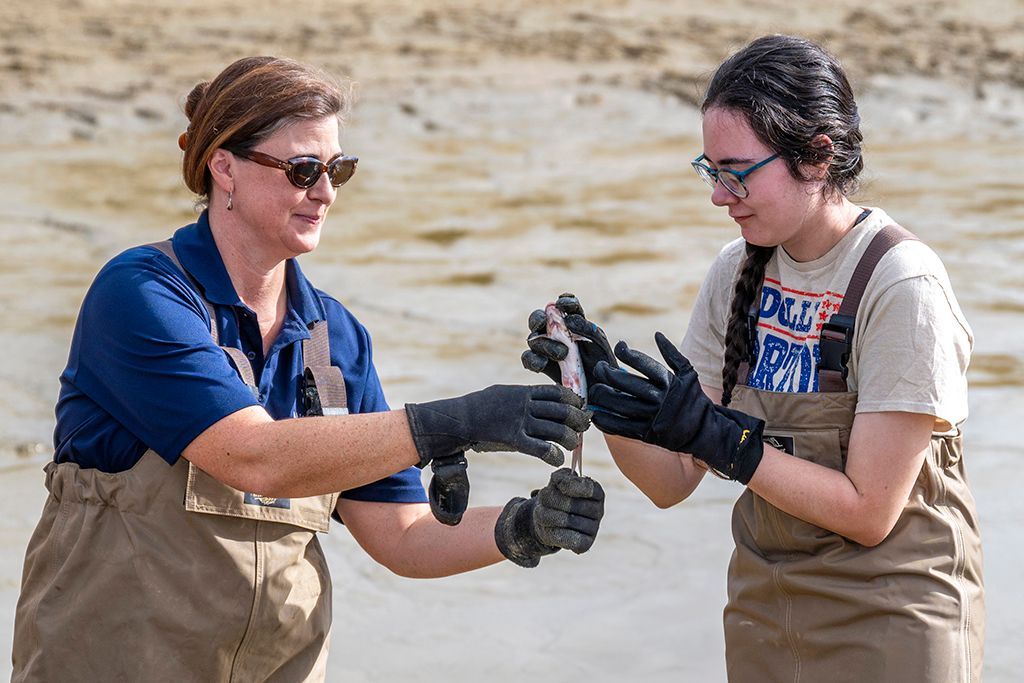
This session explores how field-based collaboration strengthens observational accuracy, scientific understanding, and creative confidence in natural science illustration. Drawing from a partnership between Augusta University’s Medical Illustration Graduate Program and the Georgia Department of Natural Resources, attendees will experience a virtual field trip into a working hatchery, including live species observation, expert demonstrations, and student field notes.
The presentation outlines the full project arc, from building partnerships with subject experts to structuring safe, effective fieldwork and translating on-site observations into polished public-facing infographics. It also introduces a teaching approach called “Lead from Behind,” adapted from outdoor leadership, which fosters student autonomy, trust, and resilience in unfamiliar environments.
Illustrating Wingspan
SUNDAY JULY 19
1pm - 1:30pm US Eastern
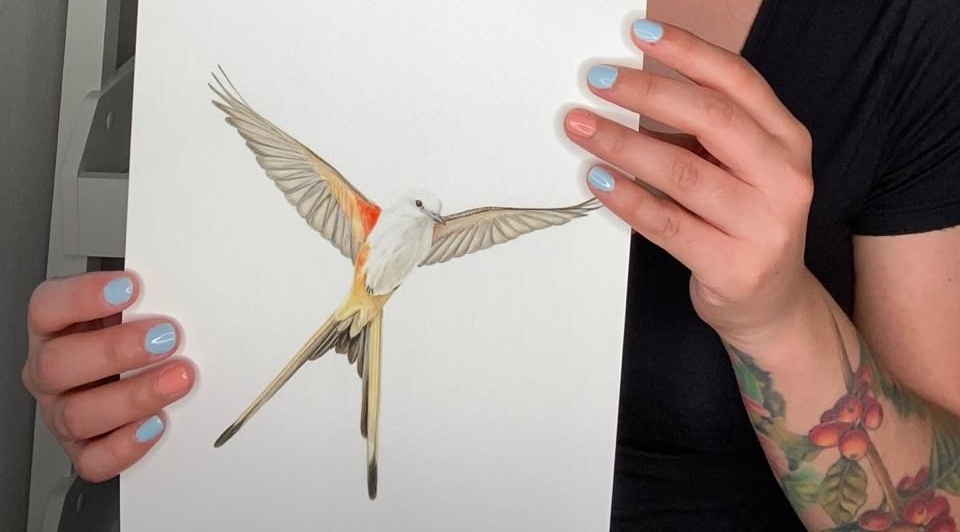
My presentation will share my unconventional journey into natural science illustration as a self taught artist, and how a lifelong love of drawing meaningful, realistic imagery eventually grew into a career I never originally planned for. I’ll talk about the importance of staying open to unexpected opportunities, changing direction, starting over, and allowing your path to evolve even when it looks messy or uncertain. I’ll share the realities of building a creative career while navigating motherhood, ADHD, international moves, self doubt, and the constant juggling that comes with trying to balance art, family, and life.
This won’t be a story about a perfect path or having all the right credentials. It’s about persistence, support, adaptability, and creating your own version of success in an imperfect but meaningful way. My hope is that others who feel their path looks unconventional will leave feeling encouraged to keep going.
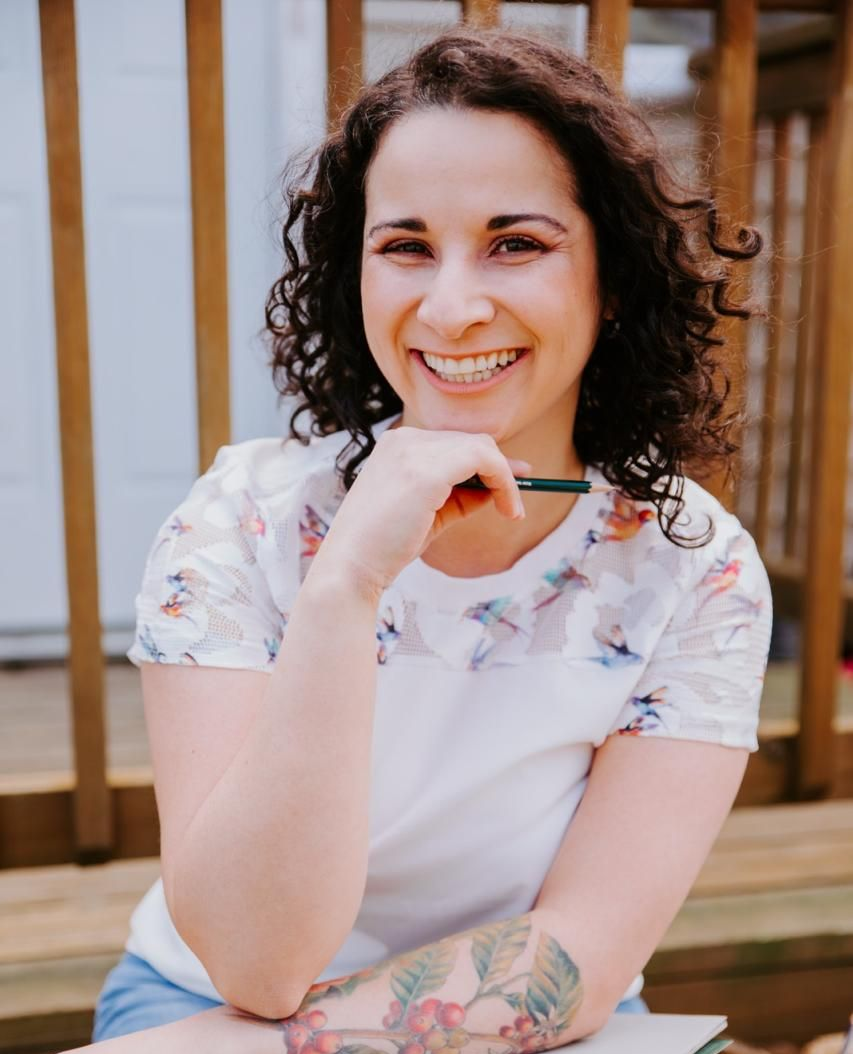
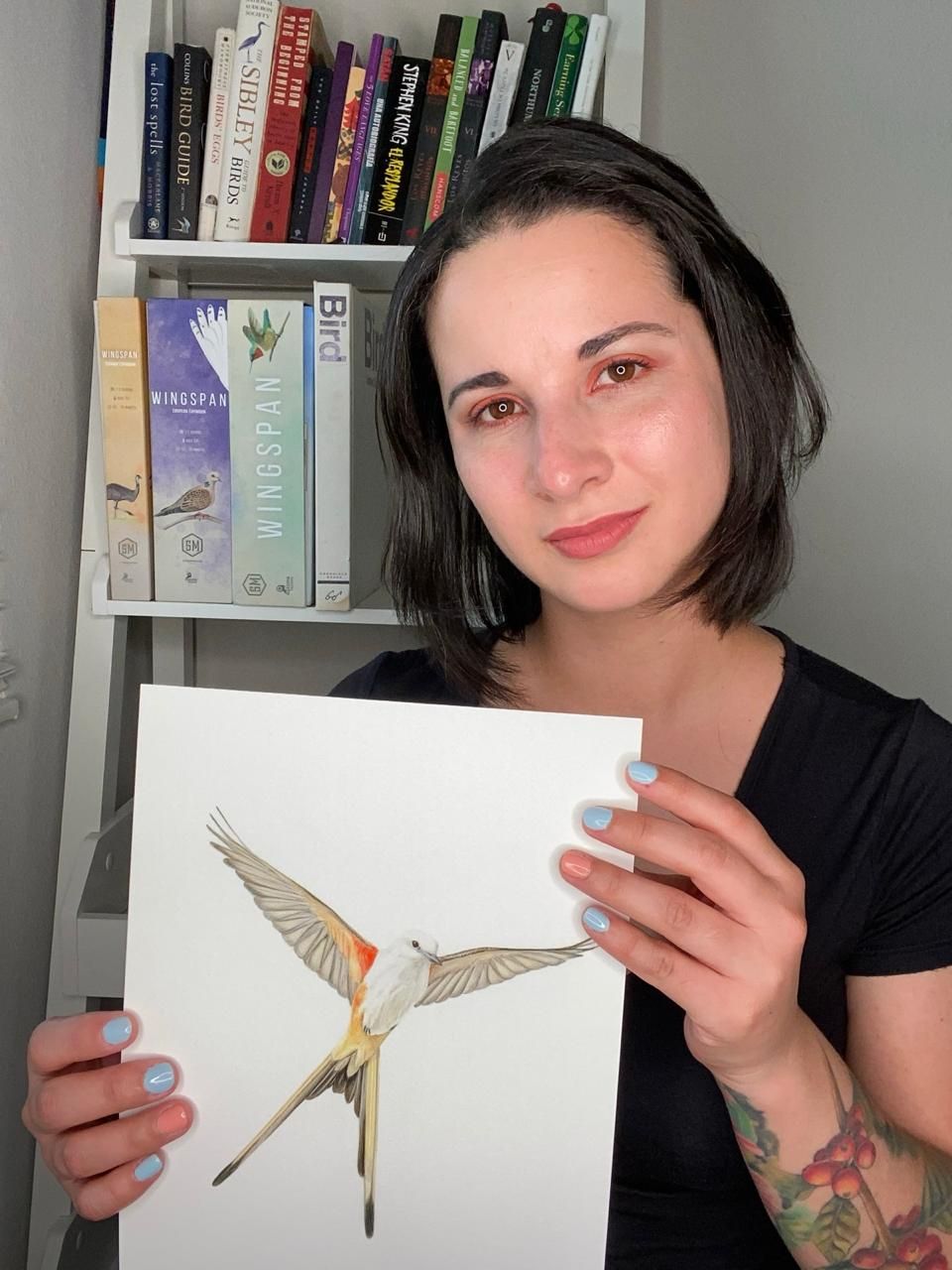
Natalia Rojas
Natalia Rojas is a self taught wildlife artist and illustrator based in Costa Rica, originally from Medellín, Colombia. Working primarily in colored pencil, watercolor, and graphite, she creates detailed artwork inspired by the beauty and individuality of the natural world.
Her career did not begin through formal scientific training, but from a lifelong love of drawing and a desire to recreate meaningful images with accuracy and feeling. What began as a personal creative pursuit eventually grew into a full time illustration career, with her work reaching an international audience through publications and collaborations, including the award winning board game Wingspan and its expansions. Natalia is especially interested in the space where fine art and natural science illustration meet, combining technical observation with warmth and storytelling. As a self taught artist, she enjoys sharing her unconventional path into illustration and encouraging others who may be building creative careers outside traditional routes.
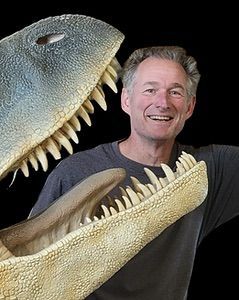
Gary Staab
Gary Staab is a paleoartist and sculptor whose work has been exhibited in over 50 museums worldwide, from Turkey, South Korea, to China, France, and Japan. A former staff sculptor at the Denver Museum of Nature and Science, he has worked as a freelance artist since 1996 for clients including National Geographic, the Carnegie Museum of Natural History, the BBC, Eyewitness Books, among many others. In 2016, he was featured in the PBS NOVA documentary “Iceman Reborn” for his replica of the 5,300-year-old mummy Ötzi the Iceman. In March of 2026, he installed 3 Heroic-sized Bison Bronzes on the National Mall at the entrance of the Smithsonian Institution. National Museum of Natural History in Washington, D.C.
Staab is a fellow of the National Sculpture Society and a five-time recipient of the Vertebrate Paleontology Award for Excellence in Paleontological Art.
The Art of Time Travel
SATURDAY JULY 18
2:15pm - 3:15pm US Eastern
Check back soon!
Our Window into Other Worlds
SUNDAY JULY 19
2pm - 3pm US Eastern
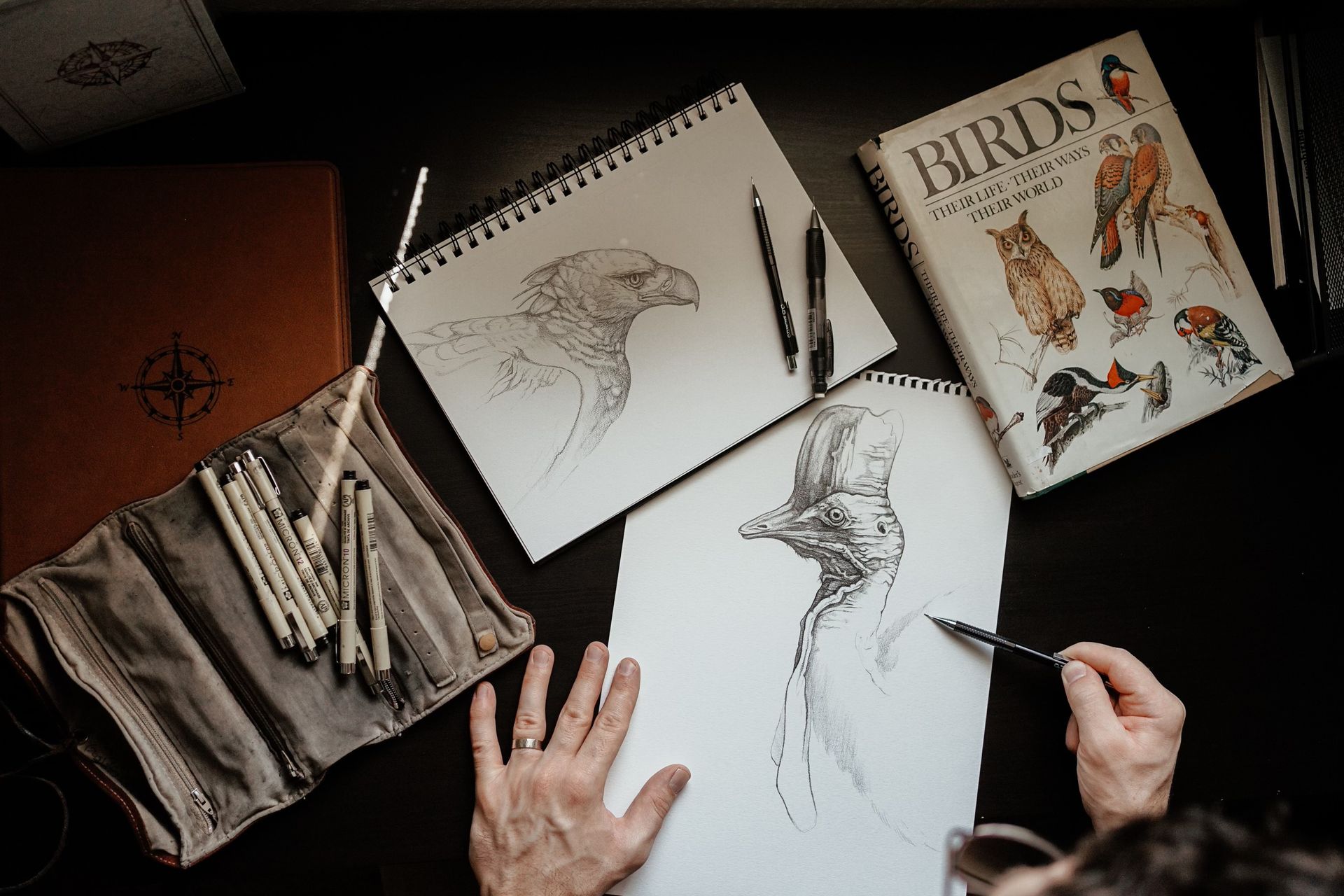
As a generalist Scientific Illustrator, I’ll be showcasing a variety of digital and traditional works while discussing the career benefits to being multifaceted in the science illustration community. Discussion topics will range from depicting wildlife long extinct, to illustrating humanity's journey through the solar system. Additional topics of conversation include the importance of keeping traditional art alive in an increasingly digital world, and the art of mission planning, Operational Viewpoint illustration for NASA.
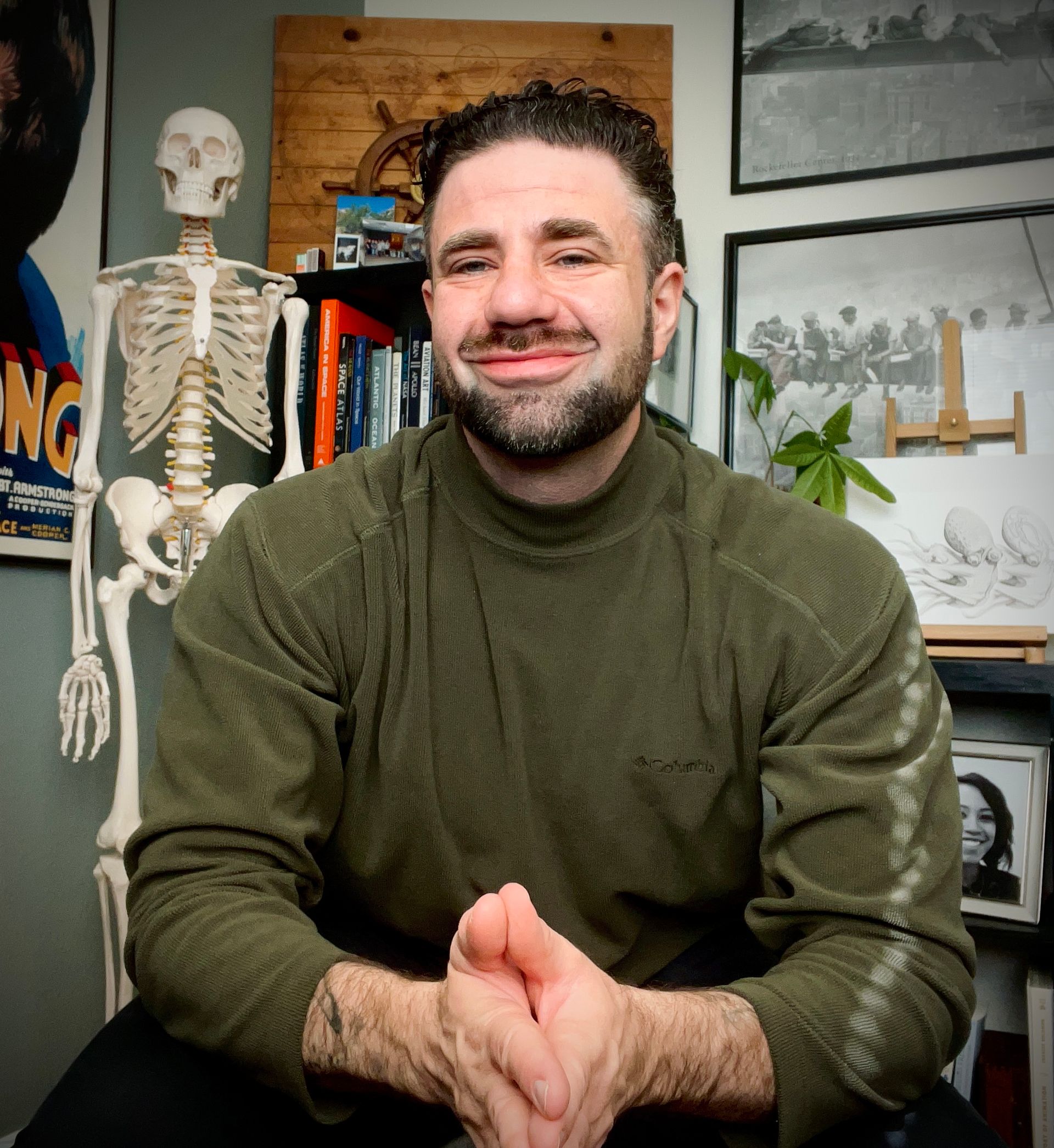
Jimi Catanzaro
Jimi Catanzaro is a full-time Technical Illustrator specializing in Aerospace and Government-Sector visual communication. Over the last 8 years, Jimi has worked in support of the U.S. Air Force, bridging the communication gap between Technical Experts and Government Personnel through the production of digital-media infographics, technical drawings, and concept art.
Jimi also has more than a decade of experience working as a Freelance Scientific Illustrator, specializing in a broad range of subjects including Medical, Zoological, and Paleontological Illustration. The guiding principle behind Jimi’s work is to showcase and celebrate our planet's wildlife and natural history, producing detailed works of stylized realism in the form of delicate graphite and ink drawings. Throughout his freelance career, Jimi has produced work for a variety of publications, brands, media production companies and government agencies, including; NASA, The Smithsonian Museum of Natural History, The National Park Service, PBS, Netflix, Sakura of America, Women's Aerospace Network, and Fossil News Magazine.