
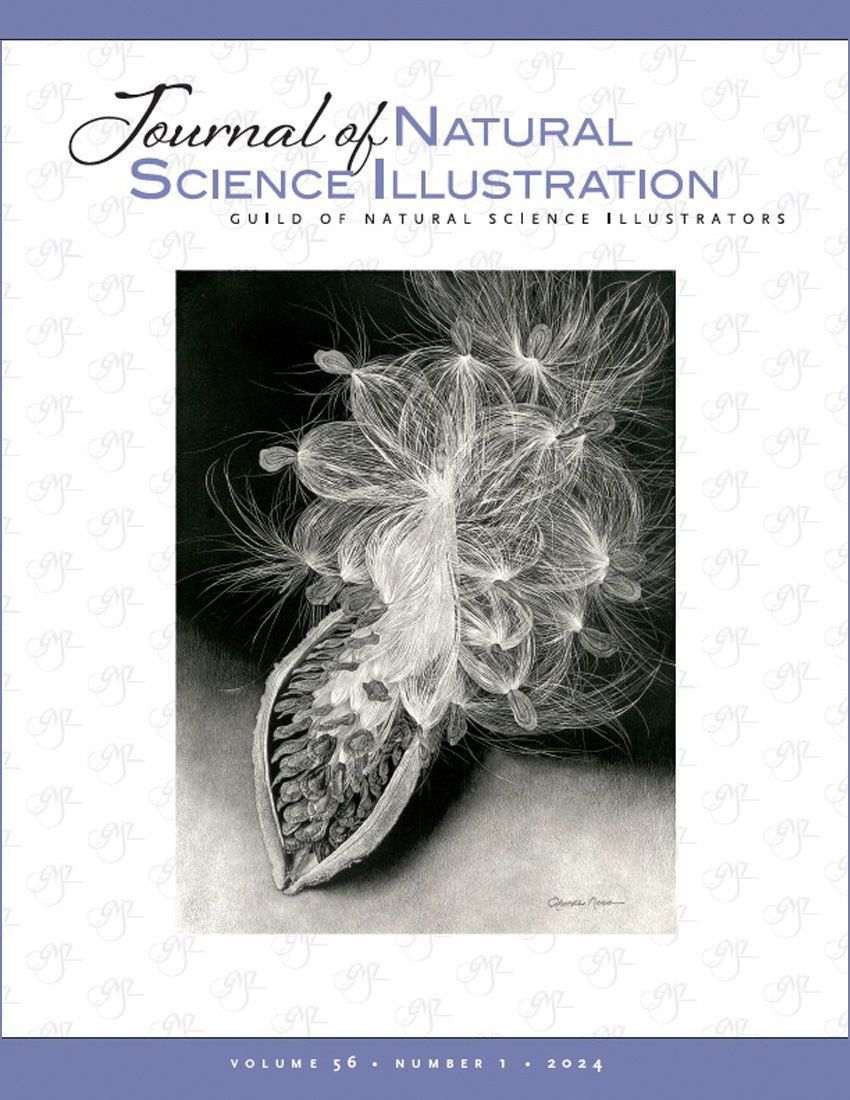
Welcome to the first edition of 2024!
The Journal Team is happy to present this first issue of 2024! Enjoy Rhonda Nass' step-by-step introduction to scratchboard, Paul A. Krieger's experience transforming his modular anatomical and physiological books to interactive web-based books, and Taina Litwak's transformation of a space with discarded plastic and paint to make a powerful statement about climate change.
Log into your account to view the Journal: JNSI 2024 Vol. 56, No. 1
Not yet a subscriber? To view the issue for free, become a GNSI member today!
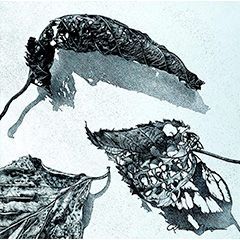
Scratchboard Illustration Techniques (open access)
— Rhonda Nass
Scratchboard art began in the 1800s as a black-and-white illustration method and has since evolved into a fine art medium used by contemporary artists. The process involves scratching away layers of black India ink on a clay-coated board to reveal varying degrees of white beneath, creating detailed and textured images. This guide offers a step-by-step process for beginners, including supply gathering, concept development, and techniques for creating and finishing a scratchboard artwork.
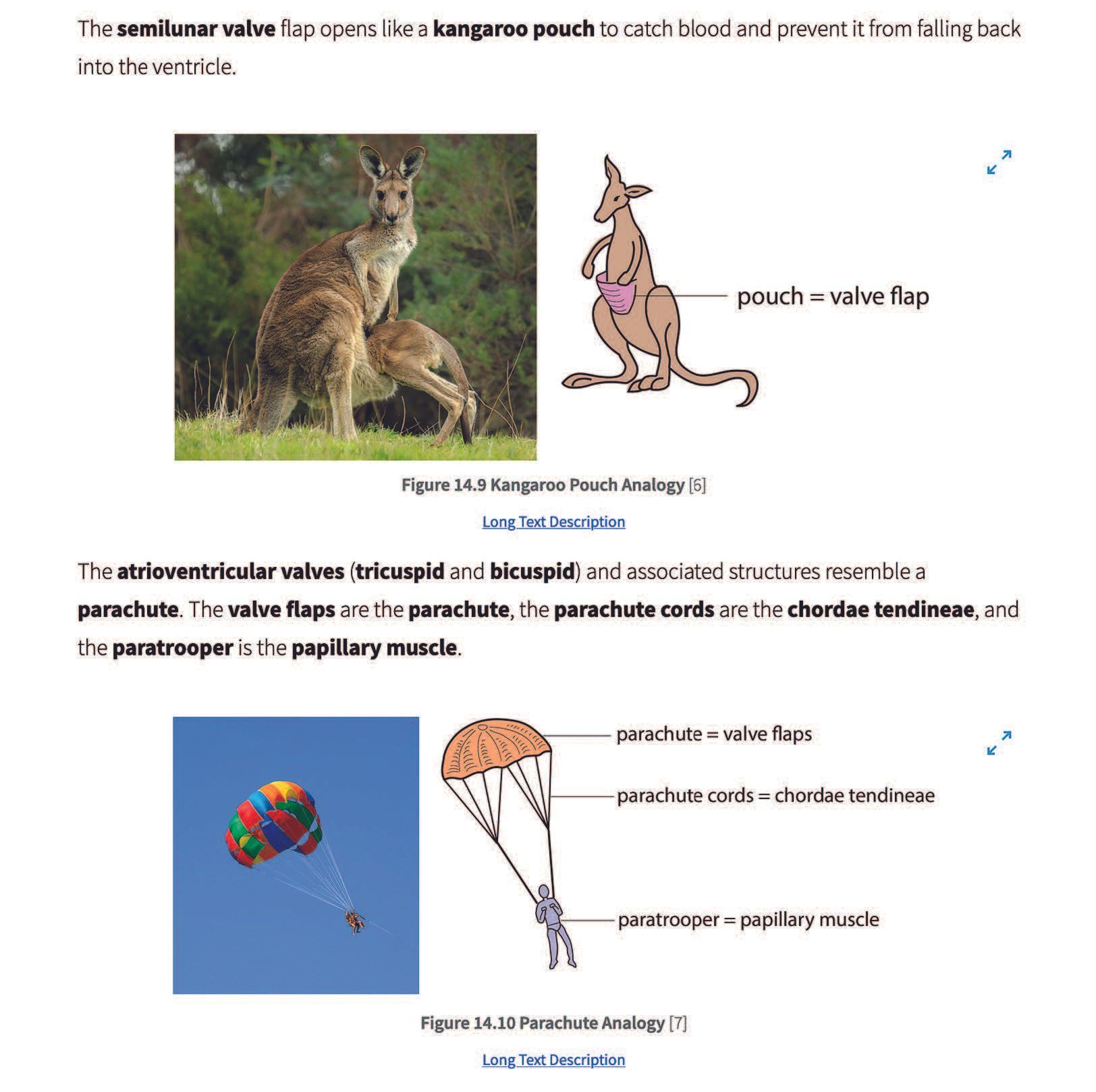
My Book Transformation from Print to Digital
— Paul A. Krieger
The author describes their experience transitioning their educational books from print to digital, reflecting a broader shift in higher education publishing. Originally designed as two-color, modular books using visual analogies for anatomy, the digital versions now include interactive tools like 3D models, author videos, quizzes, and full-color illustrations.
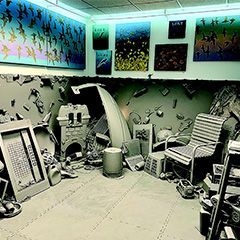
Art Installation: Plastic and Electronics Pollution, Climate Change, and Biodiversity Loss
— Taina Litwak
In early 2024, the author participated in an art exhibit in Washington, D.C., creating an immersive installation focused on the environmental impact of plastics and climate change. Despite space constraints, the artist transformed a room into a visually striking commentary on human consumption, using a sea of painted plastic and collaged paintings to provoke thought and discussion. The experience led to meaningful interactions with the public, invitations to present their work, and a sense of hope for inspiring further change.