
Artist Best Practices
Professional Standards for Science Illustrators
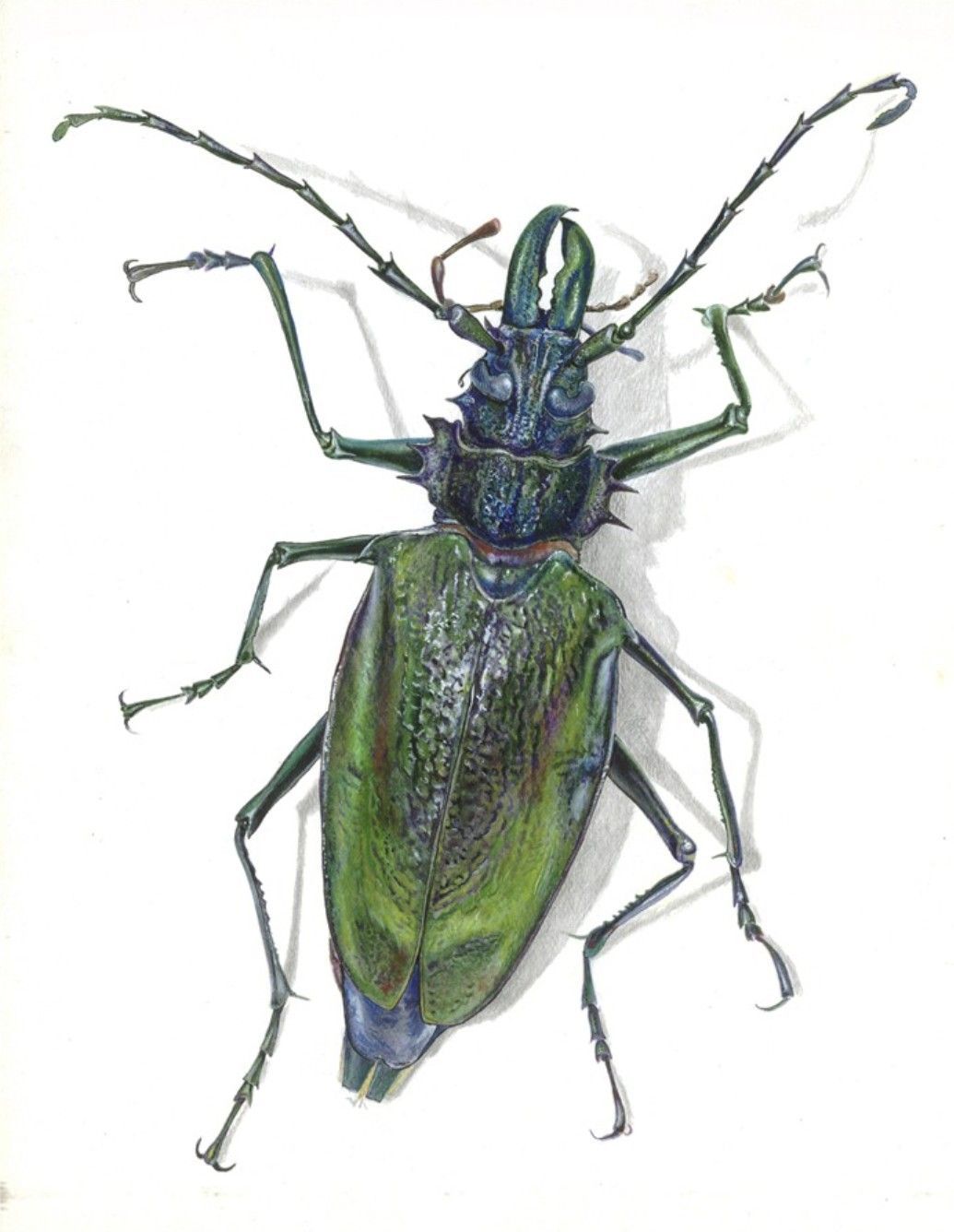
image credit: Ying Wang, 2020
As a professional community of Natural Science Illustrators, GNSI is committed to educating artists and clients about the ethical and professional best practices in the field.
This page provides an overview of common work types, professional guidelines, and resources to help artists succeed in their careers.
Related pages: Careers & Education, Grants & Scholarships, and Client Best Practices.
Purchase the latest edition of the Guild Handbook:
Types of Work
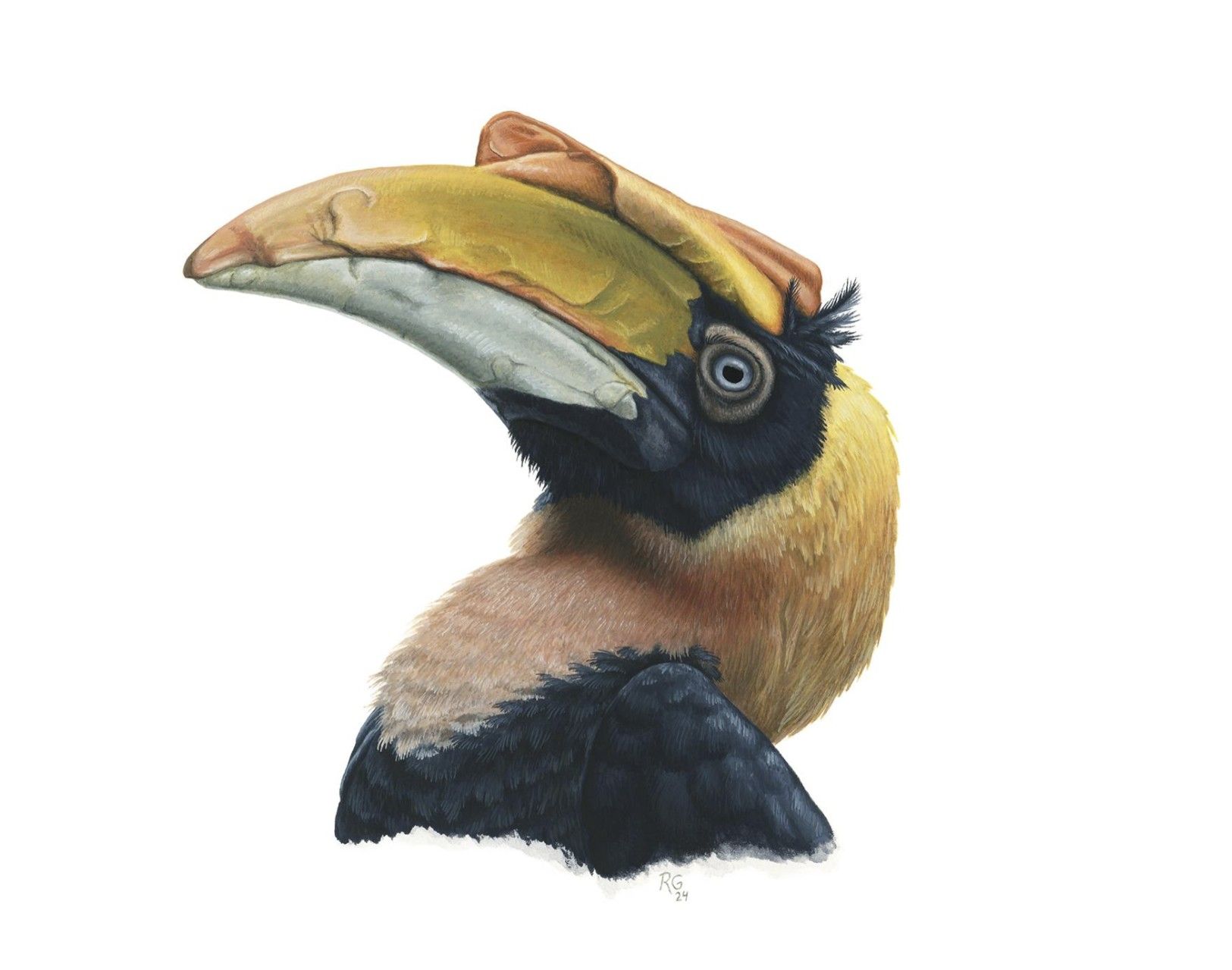
Contract Work
Contract Work (or Freelance Work) is made by an Artist, for a Client. The terms of payment, ownership/copyright, and usage of the Work are negotiated in a contract between the two parties.
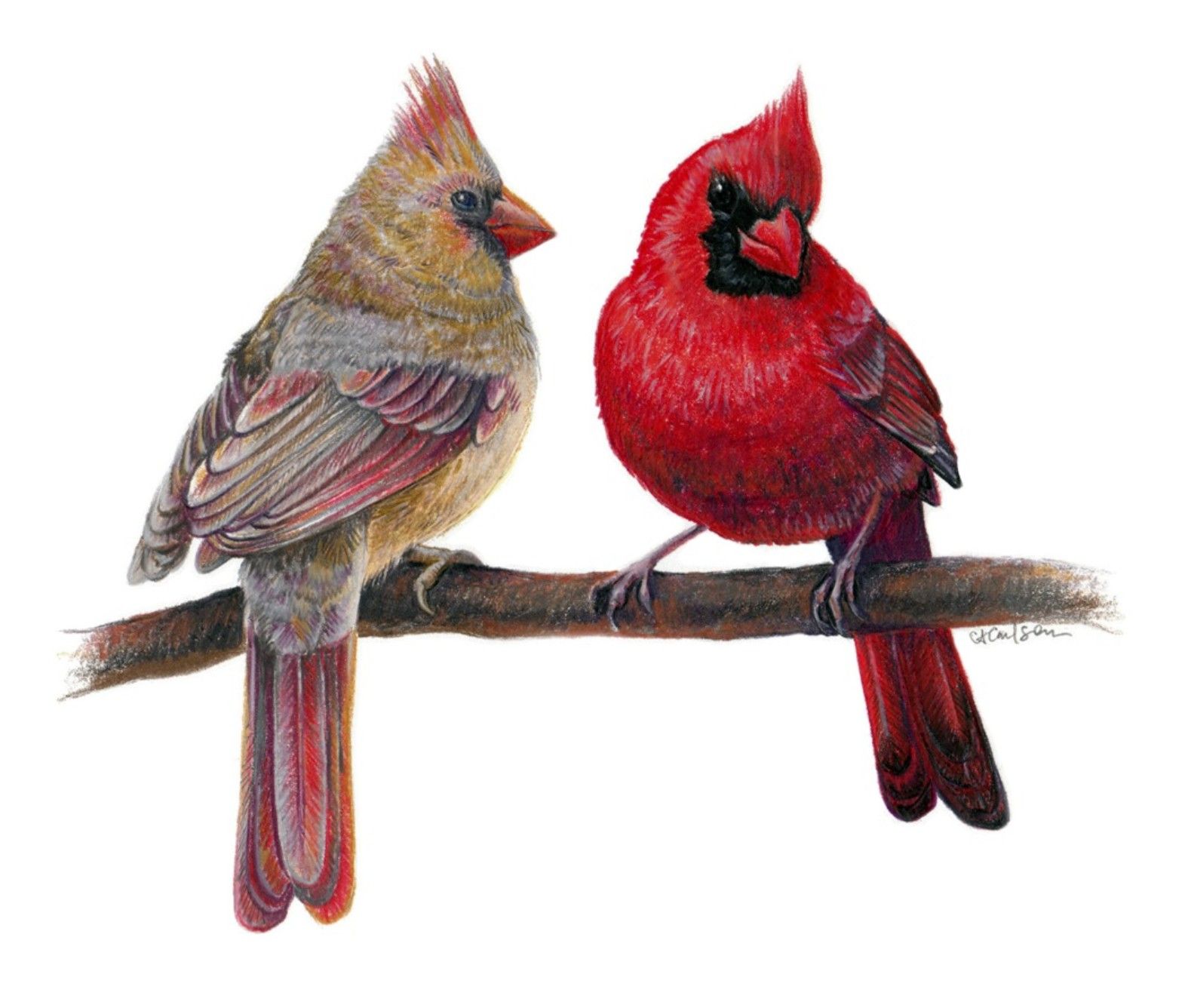
Staff Work
When Work is made by an Artist as a staff member of an organization, the organization is typically considered the legal owner of the Work instead of the Artist.
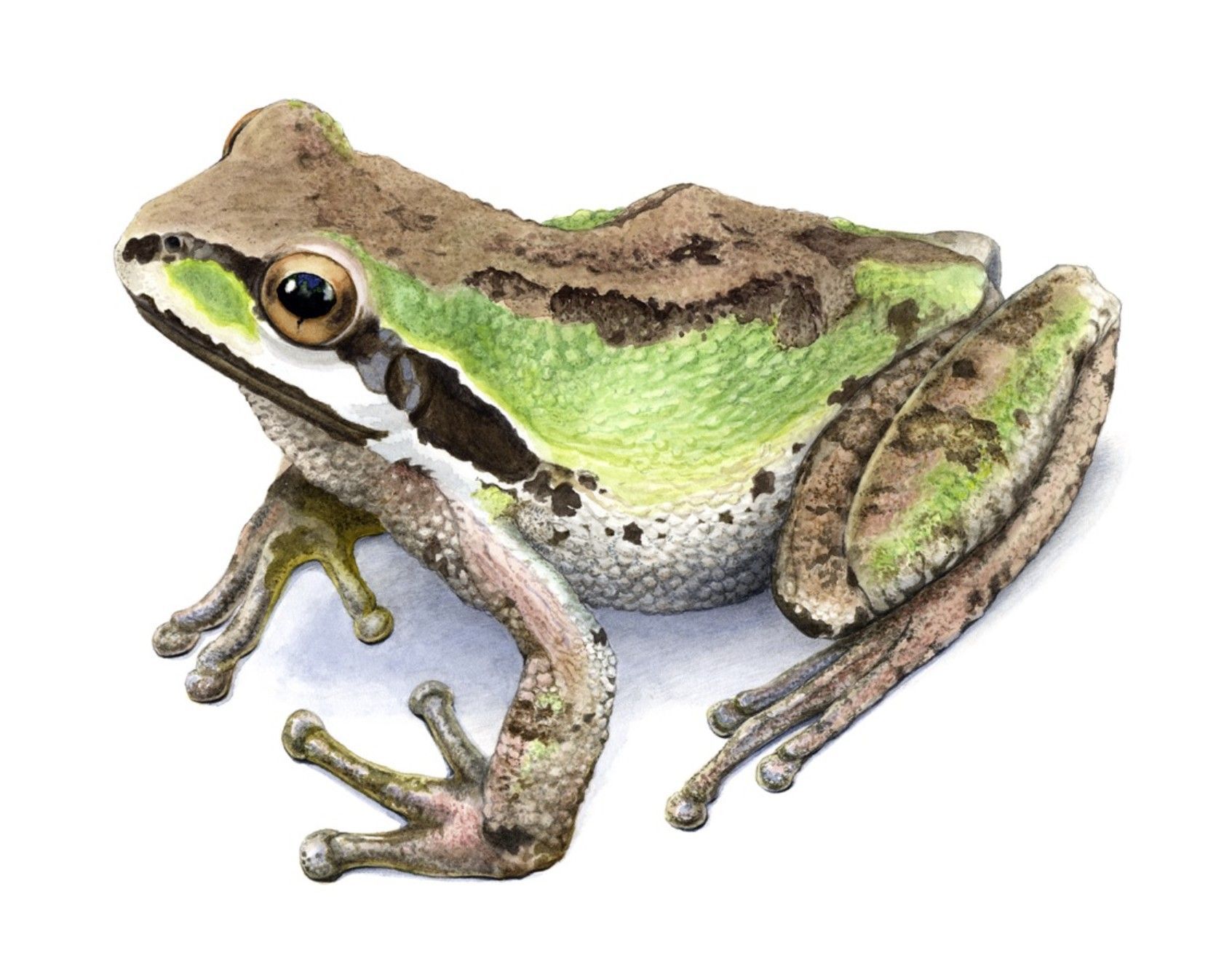
Work for Hire (WFH)
When Work is made "for hire," the Client will pay the Artist for completed Work, but the Client is then considered the legal owner of the Work instead of the Artist.
Speculative Work
When Work is made "on spec," the Artist is betting that the Client will want the Work (and pay for it) when they see it completed. But the Client is under no obligation to accept the Work, nor must they pay a "cancellation fee" if they reject it.
image credits: Rebecca Gelernter (member since 2012), Carrie Carlson (member since 2005), Tara Dalton Bensen, Astolfo Mata (member since 2019)
Quick Tips:
- Contract Work: Always use written contracts. Clarify copyright, payment terms, deadlines.
- Work for Hire: Artist gives copyright to Client. Price accordingly.
- Staff Work: Clarify employer ownership of work and Artist's right to include work in portfolio.
- Spec Work: Generally discouraged. If pursued, set clear boundaries for Artist and Client.
Professional & Ethical Best Practices
As science communicators, illustrators carry both creative and ethical responsibilities. The following best practices can help artists maintain professionalism, safeguard their rights, and ensure that their work supports scientific integrity.
Contracts & Negotiation
Clear agreements protect both Artists and Clients.
- Always work with a written contract that outlines scope, timeline, payment terms, and usage rights.
- Be specific about how the artwork can be used (e.g., print, digital, one-time use, or ongoing).
- Adjust pricing according to rights granted. More extensive usage warrants higher fees.
Copyright & Intellectual Property
Understanding copyright is central to professional practice.
- Unless a “Work for Hire” agreement is signed, artists automatically retain copyright ownership of their work.
- Licensing is often preferable to transferring copyright, as it allows artists to retain authorship while granting clients the rights they need.
- Protect work by registering it with the U.S. Copyright Office when possible, and always keep thorough records.
Publication Ethics
Accuracy and honesty are essential in scientific illustration.
- Represent scientific subjects faithfully, avoid embellishing or altering details in ways that could mislead.
- Cite sources and references whenever work has built upon them (such as photographs, specimens, or data).
- Follow ethical standards in collaboration with scientists, authors, and publishers to maintain the integrity of the research being illustrated.
Professional Conduct
Professionalism builds trust and lasting relationships.
- Communicate clearly and promptly with clients, colleagues, and collaborators.
- Respect deadlines and deliverables, or communicate early if challenges arise.
- Approach every project with a spirit of collaboration and respect, honoring diverse perspectives and accessibility needs.
AI & Emerging Tools
New technologies are reshaping creative industries.
- Be transparent about the tools you use, and stay informed about ethical issues surrounding AI-generated imagery.
- Consider the implications of training datasets, copyright concerns, and client expectations before incorporating AI in your workflow.
- Uphold standards of originality and authorship that reflect the values of GNSI and the wider scientific illustration community.
image credit: B. Strauch
Resources
Contracts
The Artist’s Contract website is a hub for free Legal Contracts for visual artists. It is part of a larger movement to establish better professional practices within the art world.
ArtConnect: Guide to Artist Contracts and Agreements. Contracts and agreements play a major role in the administrative side of working as an artist. To help you through the process, we’ve put together this guide outlining some common ones, as well as useful resources.
The Abundant Artist: Resources for Writing, Reviewing, and Negotiating a Solid Artist Contract
The Graphic Artists Guild: Tools and Resources Page.
Copyright
COPYRIGHT OFFICES (United States, Canada, United Kingdom, European Union)
United States
RECORDATION(Transfer of copyright, not registration. ) Video on Recordation
Canada
Government of Canada - Intellectual Property Office
United Kingdom
European Union
OTHER READING
WIPO World Intellectual Property Organization: Learn from the Past, Create the Future — The Arts and Copyright (Age 9-14 audience)
Georgetown College of Law: Art Law Research Guide. This guide provides an introduction to notable resources for conducting art law research available at Georgetown University and online.
COPYRIGHT and ARTIFICIAL INTELLIGENCE— Part 1: Digital Replicas, July 31, 2024.
COPYRIGHT and ARTIFICIAL INTELLIGENCE— Part 2: Copyrightability, January 29, 2025.
Artificial Intelligence
Hugh Stephens Blog: Insights on International Copyright Issues (Microsoft Word)
UK: Womble, Bond, Dickinson. January 14, 2025. Government seeks responses on copyright and AI consultation
US Copyright Office: COPYRIGHT and ARTIFICIAL INTELLIGENCE— Part 1: Digital Replicas, July 31, 2024.
US Copyright Office: COPYRIGHT and ARTIFICIAL INTELLIGENCE— Part 2: Copyrightability, January 29, 2025.
Scholarly Publishing
COPE: Promoting integrity in scholarly research and its publication. What is Publication Ethics?
Free e-Learning Introduction course to Publication Ethics
Topics of Discussion. Join discussions which bring members and the wider community together to explore publication ethics issues, and help identify solutions.
TOPICS:
Plagiarism in 2024: ” Generative AI is complicating issues of authorship and accountability.”
Editorial Conflicts of Interest
Bias in Peer Review 2018 Survey
STM: International Association of Scientific, Technical and Medical Publishers.
2024 Permission Guidelines(updated 206 June 2024)
Advocacy in the Arts
American Society of Illustrators Partnership
American Society of Collective Rights Licensing
Philidelphia Volunteer Lawyers for the Arts (PVLA) Video: Artificial Intelligence Considerations for Artists, September 12, 2024
National Law Review: US Copyright Report on AI Delayed Until 2025. Posted Thursday, December 19, 2024
National Law Review: US Copyright Office to Begin Issuing Further AI Guidance in January 2025. Posted on Thursday, January 2, 2025
Books & Guides
Guild Handbook of Scientific Illustration, 2nd edition. John C. Wiley & Sons, Inc
Copyright for Creatives: A Practical Guide to Copyright Law for Creative People Who Make Stuff Paperback – December 15, 2024 by Evan M Butterfield MA, JD (Author). Publication Date December 15, 2024. Available on Amazon in Kindle and Paperback
Automate Your Busywork: Do Less, Achieve More, and Save Your Brain for the Big Stuff 1st Edition, Kindle Edition
by Aytekin Tank (Author) Format: Kindle Edition. John Wiley & Sons, Inc Publishers. Pub Date May 4, 2023. Available on Amazon.
Graphic Artists Guild: Pricing and Ethical Guidelines, 17th Edition,
16th Edition (Amazon)
ADDITIONAL READING
Career Development
image credit: Inna-Marie Strazhnik (member since 2013)