Careers & Education
in Scientific Illustration
Bridging science and art to teach, inspire, and spark discovery.
image credit: John Megahan (member since 1992)
What Do Science Illustrators Do?
Scientific illustrators are visual storytellers in the service of science. Their work teaches, informs, and inspires understanding of our world. Using traditional and digital techniques, they communicate complex ideas for education, research, public outreach, and marketing.
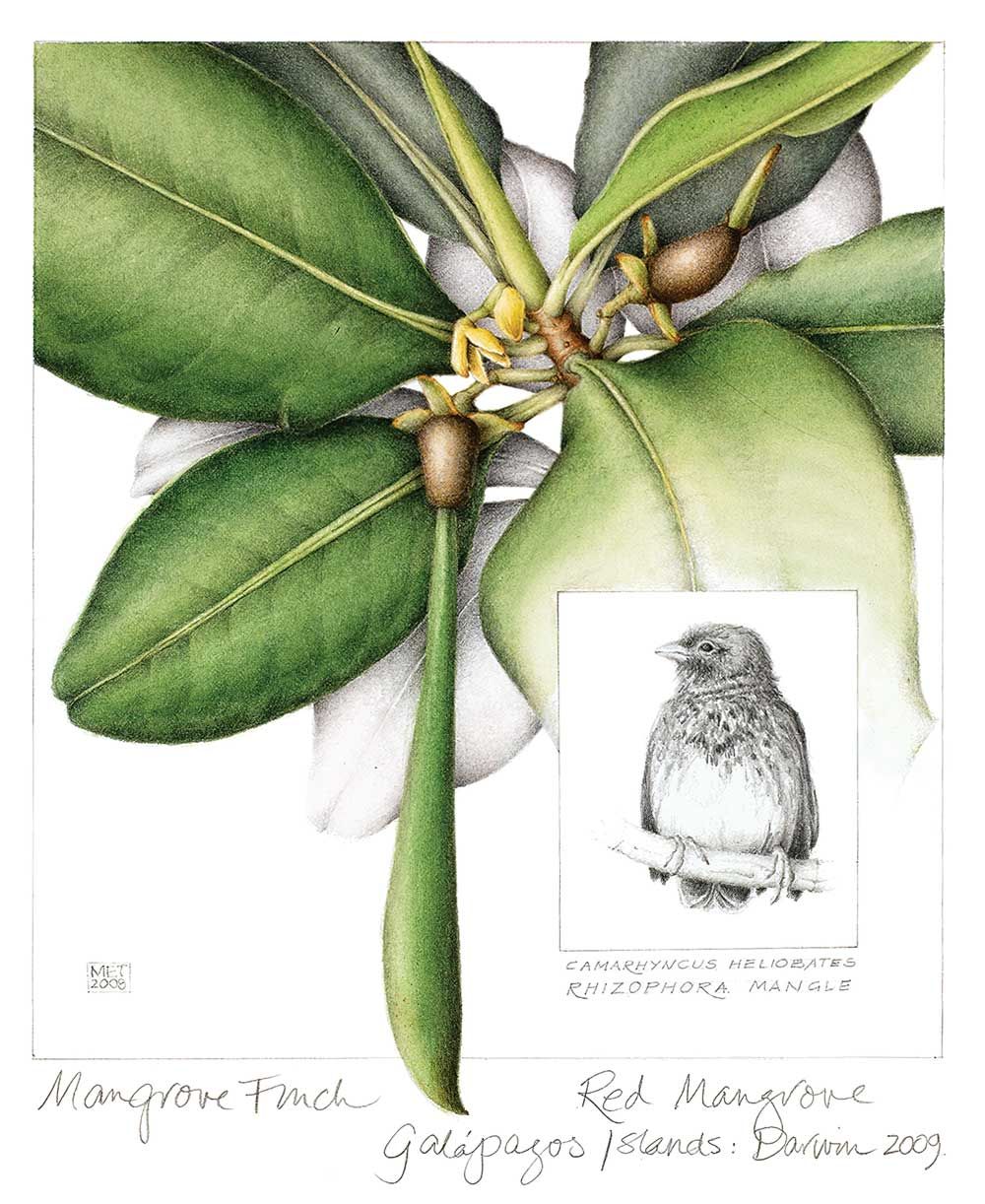
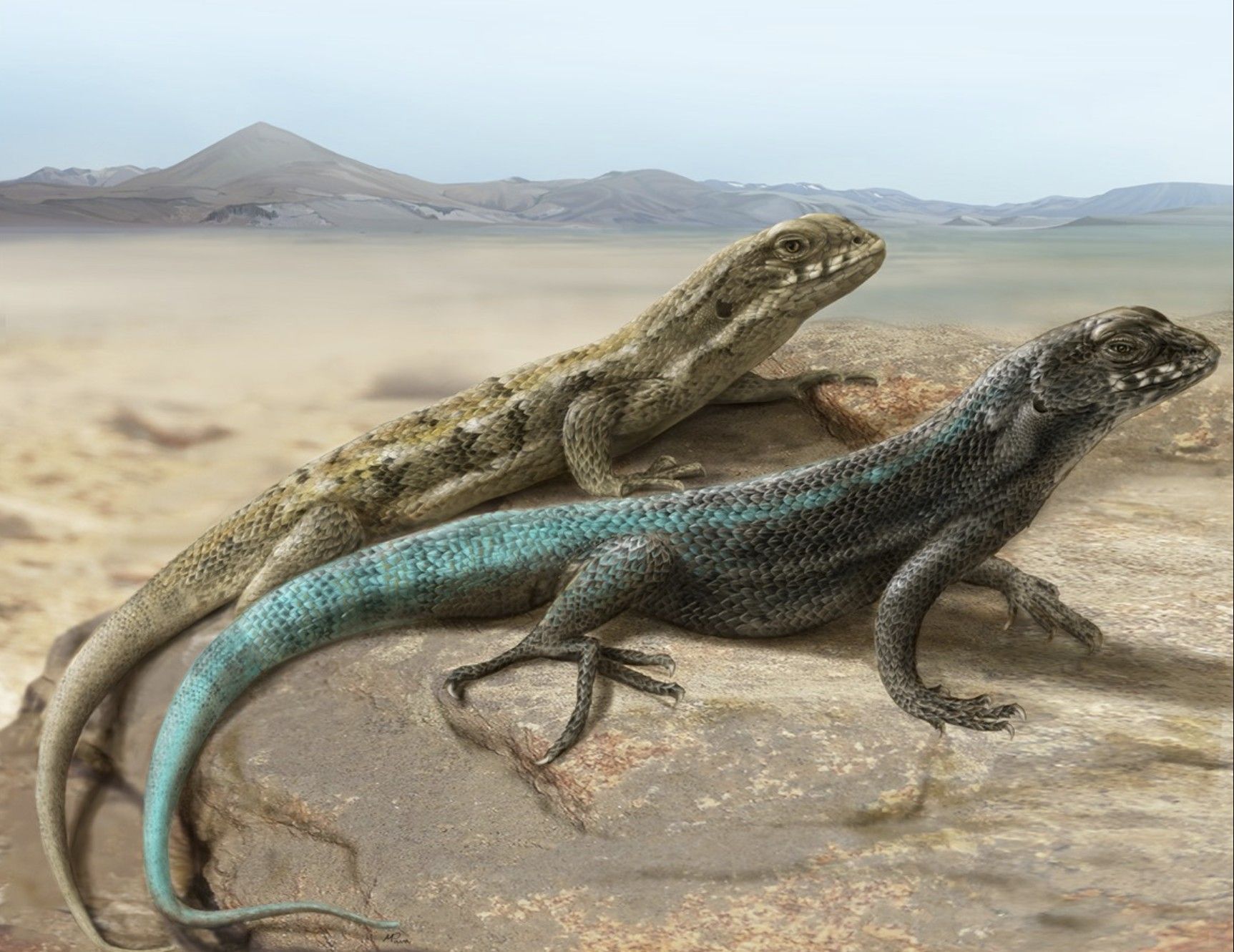
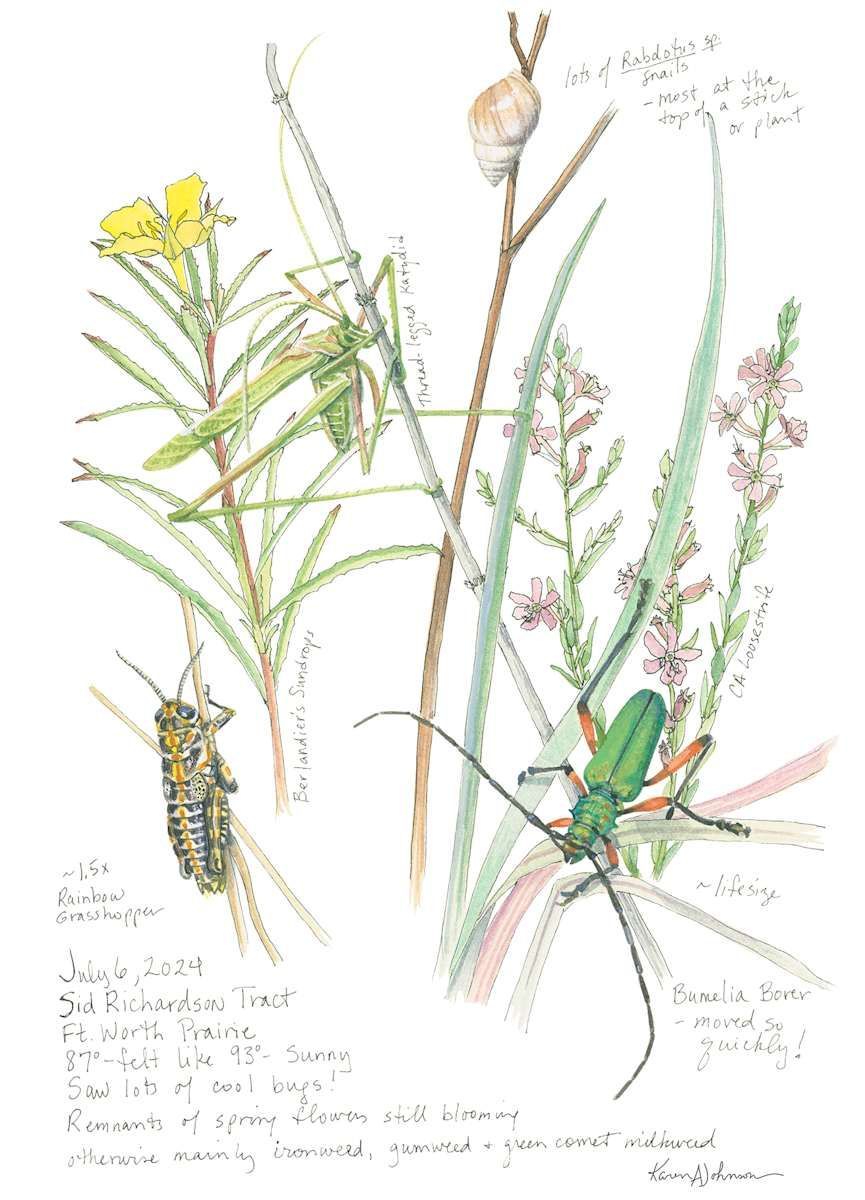
image credits: Mary Ellen Taylor (member since 2012), Mafalda Paiva (member since 2011), Karen Anne Johnson (member since 1988)
Where do they work?
Career Paths
Science illustrators work in a wide range of professional settings, often collaborating with scientists, designers, and educators.
- Research Institutes & Universities
- Museums & Zoos
- Publishers & media outlets
- Animation & web firms
- Pharmaceutical & medical companies
- Independent studios & freelance practices
Some illustrators hold staff positions; others run their own studios, working directly with institutions, organizations, or private clients. Many collaborate in creative teams with writers, developers, photographers, or filmmakers.
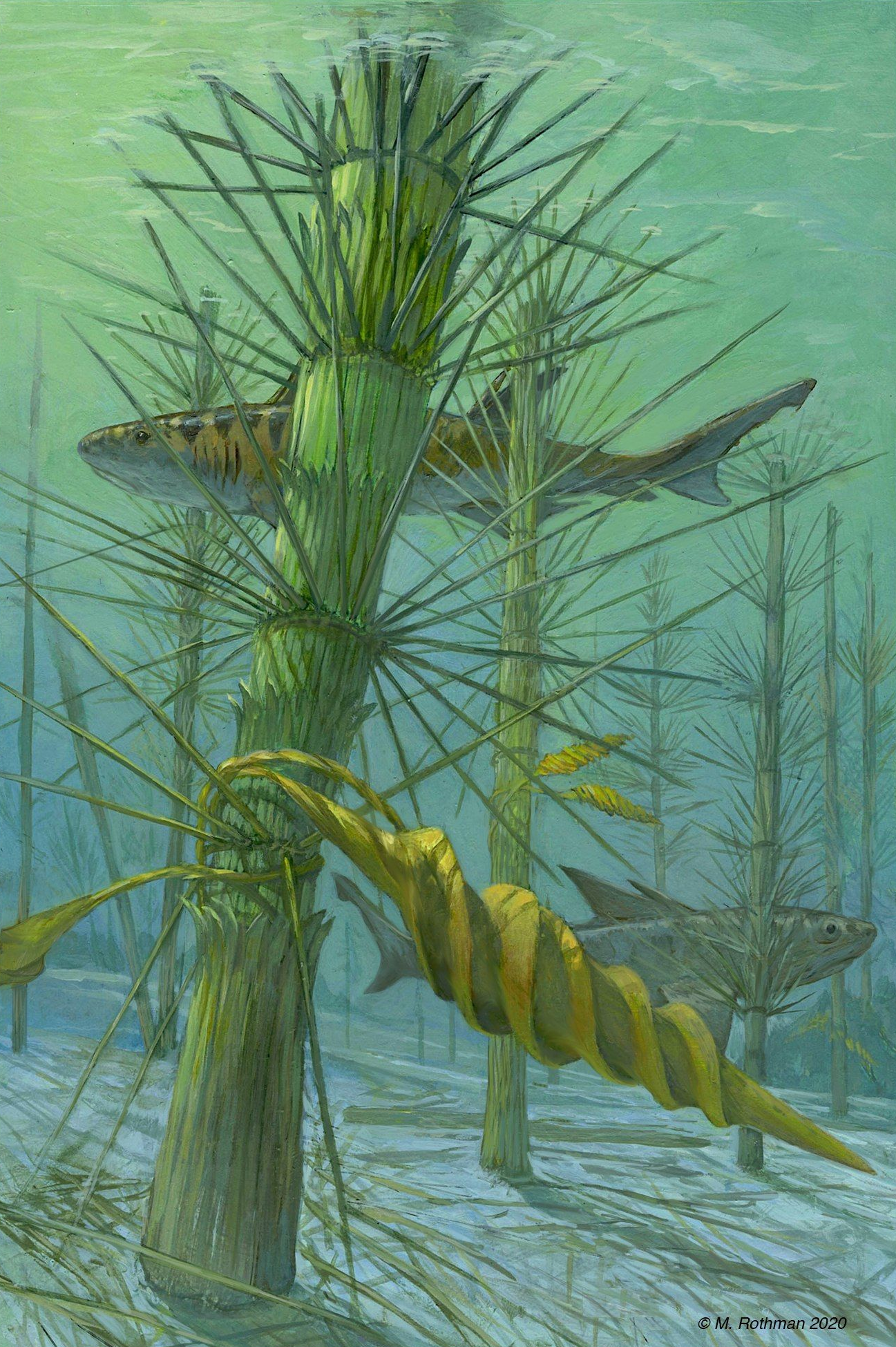
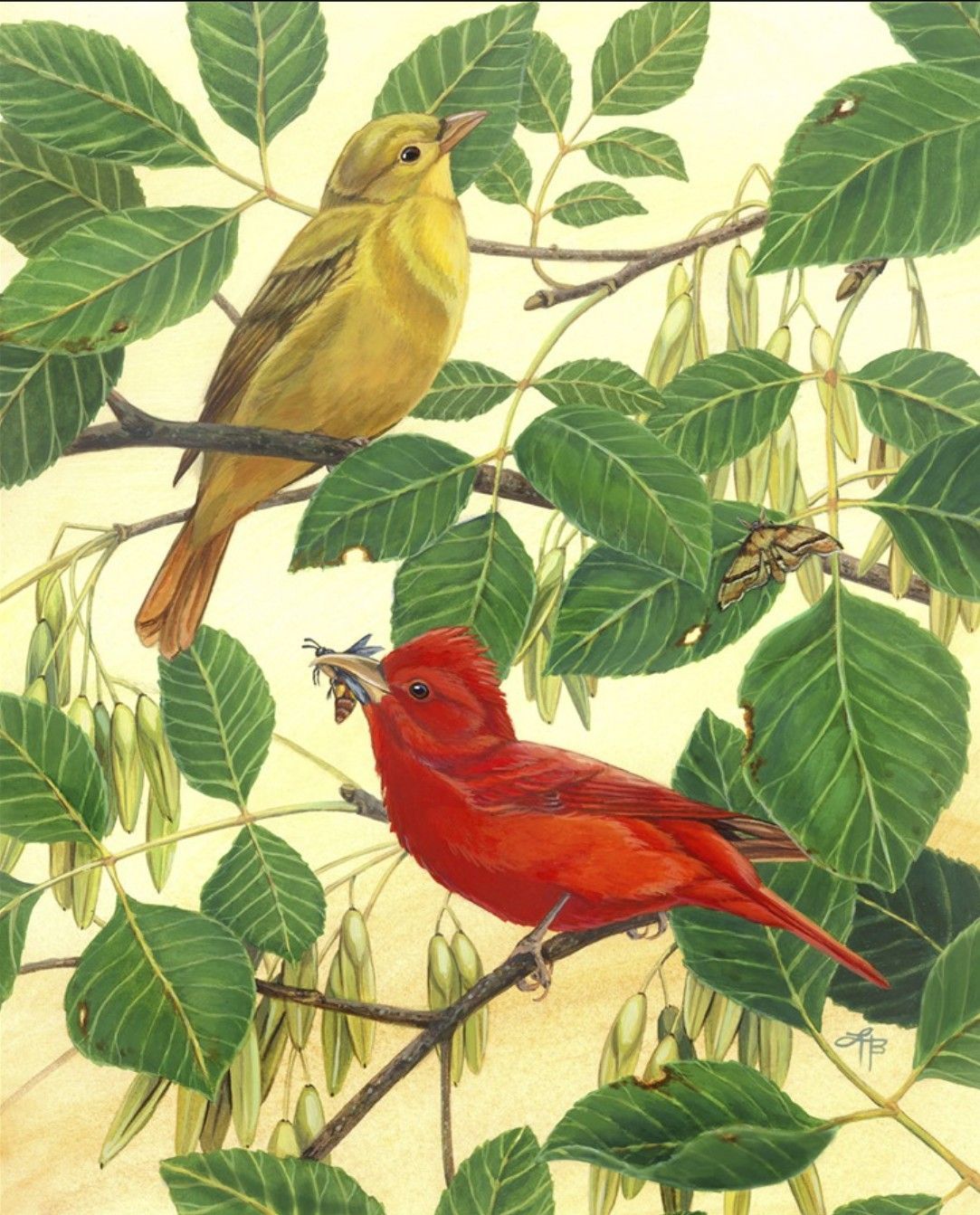
image credit: Linda Bittner
Internships provide valuable networking opportunities
What training is needed?
Skills & Training
Successful science illustrators combine advanced knowledge of science with technical artistic skill. Traditional methods such as watercolor and ink remain essential, while digital tools and animation expand the field’s possibilities.
Core Skills
- Accuracy in drawing & painting techniques
- Scientific knowledge in life or earth sciences
- Digital illustration, animation, and interactive design
- Use of microscopes & measuring instruments
- Designing graphs, maps, and 3D models
- Creating cutaway and procedural diagrams
How Do You Become a Science Illustrator?
Education Pathways
High School & College
Courses in both art (drawing, design, photography) and science (biology, anatomy, chemistry) provide the strongest foundation.
Graduate Programs
A small number of universities offer specialized science illustration programs. Applicants typically need a portfolio, a major in art with a minor in science (or vice versa), and strong academic preparation.
Ongoing Education
Skills grow through practice: drawing specimens, pursuing internships, and collaborating with scientists. Organizations like GNSI also provide workshops, conferences, and professional development.
Looking for science illustration programs?
Ready to explore further?
Explore Careers in Science Illustration
The field of science illustration is continually evolving, spanning print, digital, animation, exhibits, and new media. Whether you are just beginning your studies or advancing a professional career, there are many ways to contribute your skills to science and society.
image credit: Kitty Dough (member since 2004)